
142 Children with Autism Treated with Individualized Homeopathy – A Case Study
Research Conducted Under:
Dr. Sourabh R. Welling, M.D.
Email: drwelling@welling.co.in
Welling Homeopathy Clinics using Welling-CUREplus™ System
ABSTRACT
Background:
Autism Spectrum Disorder (ASD) is a complex neurodevelopmental condition characterized by impairments in social communication and restricted, repetitive behaviors. Conventional management primarily focuses on behavioral therapy and pharmacological interventions, which often provide symptomatic relief but fail to address the root cause. This underscores the need for integrative, individualized approaches.
Objective:
To evaluate the clinical outcomes of individualized homeopathic treatment using the Welling-CUREplus™ analysis system in children diagnosed with ASD.
Methods:
A retrospective observational study was conducted on 142 children (ages 2–12 years) with confirmed ASD diagnoses. All patients underwent detailed constitutional evaluation through the Welling-CUREplus™ system, incorporating symptom analysis, miasmatic profiling, and AI-assisted remedy selection. Treatment duration ranged from 12 to 72 months, with regular follow-ups every 6–8 weeks.
Results:
Marked improvement (>75%) was observed in 38.7% of patients, moderate improvement (50–75%) in 32.4%, mild improvement (25–49%) in 19.7%, and no significant change in 9.2%. The most frequently prescribed remedies were Carcinosinum, Calcarea carbonica, and Tarentula hispanica, among others. Average time to initial improvement was 16 weeks.
Conclusion:
Individualized homeopathic treatment using the Welling-CUREplus™ system demonstrated clinically significant improvements in core ASD symptoms, enhancing social interaction, language development, and behavioral adaptation. These findings highlight homeopathy as a valuable adjunctive option for ASD management.
INTRODUCTION
Autism Spectrum Disorder (ASD) is a neurodevelopmental condition affecting approximately 1 in 100 children globally (WHO, 2023), with increasing prevalence noted in recent epidemiological studies. In India, estimates suggest around 18 per 10,000 children are affected, with a higher male predominance (4:1 ratio) (Arora et al., 2018). Children with ASD face significant challenges in social communication, language development, and adaptive functioning, impacting both the child and family quality of life.
Clinical Impact
ASD significantly affects academic performance, emotional development, and long-term independence. Coexisting conditions such as hyperactivity, sleep disturbances, and gastrointestinal complaints further complicate management (Lord et al., 2020).
Limitations of Conventional Therapy
Current management strategies include behavioral therapy, speech therapy, and medications such as antipsychotics or stimulants. While these interventions can manage symptoms, they often fail to modify the underlying condition and may carry long-term side effects (Hyman et al., 2020).
Homeopathic Rationale
Homeopathy operates on the principle of individualization, recognizing that each child with ASD presents unique symptom expressions beyond diagnostic labels. With over 2200 remedies available, constitutional prescribing aims to target the child’s genetic, physical, and emotional makeup, potentially influencing neurodevelopmental patterns over time. The Welling-CUREplus™ system integrates classical homeopathic principles with advanced analytics to enhance remedy precision.
Study Objective:
This study aimed to evaluate the long-term outcomes of individualized homeopathy in ASD management using a structured, technology-driven approach.
MATERIALS AND METHODS
Study Design
A retrospective observational study was conducted at Welling Homeopathy Clinics across Mumbai, analyzing treatment records from January 2017 to December 2022.
Patient Selection
-
Inclusion Criteria:
-
Diagnosed with Autism Spectrum Disorder (DSM-5 criteria)
-
Age 2–12 years
-
Minimum treatment duration of 12 months
-
-
Exclusion Criteria:
-
Concurrent alternative therapies during study period
-
Severe comorbid neurological conditions (e.g., uncontrolled epilepsy)
-
Welling-CUREplus™ Analysis System
The proprietary Welling-CUREplus™ platform combines:
-
Comprehensive symptom assessment
-
Miasmatic profiling (Psora, Sycosis, Syphilis)
-
Constitutional traits and genetic tendencies
-
AI-assisted repertorization and remedy ranking
-
Past clinical response database integration
Treatment Protocol
-
Initial Consultation: Detailed case-taking spanning physical, mental, emotional, and developmental history
-
Repertorization: Based on Boenninghausen and Kent methodologies integrated with AI analytics
-
Potency Selection: LM and centesimal potencies used, individualized to sensitivity and response
-
Follow-up: Every 6–8 weeks, with progress scoring on CARS (Childhood Autism Rating Scale) and clinical observation
Outcome Measures
-
Primary Endpoint: Reduction in core ASD symptoms (social interaction, communication, stereotypies)
-
Secondary Endpoints: Behavioral adaptation, language development, parental satisfaction
-
Tools: CARS scores, parent-reported improvement scale (0–10), therapist feedback
Statistical Analysis
Descriptive statistics for demographic variables, Chi-square for categorical outcomes, confidence intervals for percentage improvements.
PATIENT DEMOGRAPHICS
| Parameter | Value | Notes |
|---|---|---|
| Total Patients | 142 | Children diagnosed with ASD |
| Age Range | 2–12 years | Mean age 5.8 years |
| Mean Age ± SD | 5.8 ± 2.1 years | |
| Gender Distribution | Male: 108 (76%), Female: 34 (24%) | Male predominance |
| Duration of Illness | Median: 3 years (Range: 1–7) | |
| Previous Treatments | 124 (87%) | Speech therapy, occupational therapy |
SYMPTOMS PROFILE
| Primary Symptoms | Frequency (n) | Percentage (%) | Severity Score* |
|---|---|---|---|
| Poor eye contact | 136 | 95.7% | 8.2 ± 1.1 |
| Speech delay | 129 | 90.8% | 7.8 ± 1.4 |
| Repetitive behavior | 122 | 85.9% | 7.5 ± 1.3 |
| Hyperactivity | 103 | 72.5% | 6.9 ± 1.2 |
| Sensory issues | 87 | 61.2% | 6.5 ± 1.5 |
| Aggression | 62 | 43.6% | 6.3 ± 1.7 |
| Sleep disturbance | 51 | 35.9% | 5.9 ± 1.4 |
*Severity Score on scale of 1–10
RESULTS
Treatment Outcomes
| Outcome Category | n | Percentage | 95% CI |
|---|---|---|---|
| Marked Improvement (>75%) | 55 | 38.7% | 30.6–46.7 |
| Moderate Improvement (50–75%) | 46 | 32.4% | 24.9–40.4 |
| Mild Improvement (25–49%) | 28 | 19.7% | 13.5–26.7 |
| No Change (<25%) | 13 | 9.2% | 5.3–14.8 |
Average time to initial improvement: 16 weeks
Time to maximum benefit: 24–36 months
Most Frequently Prescribed Remedies
| Remedy | Frequency | Percentage | Primary Indication |
|---|---|---|---|
| Carcinosinum | 49 | 34.5% | Marked obsessive traits, family cancer history |
| Calcarea carbonica | 42 | 29.6% | Developmental delay, fearfulness |
| Tarentula hispanica | 37 | 26.1% | Hyperactivity, restlessness |
| Baryta carbonica | 34 | 23.9% | Mental retardation, shyness |
| Tuberculinum | 28 | 19.7% | Frequent infections, destructive behavior |
| Stramonium | 21 | 14.8% | Aggression, fear of dark |
| Hyoscyamus | 17 | 11.9% | Jealousy, impulsive actions |
| Lycopodium | 14 | 9.8% | Poor confidence, digestive issues |
CASE ILLUSTRATIONS
Case 1: Male, 4 years, Non-Verbal with Severe Social Withdrawal
-
Presenting Complaints:
-
No meaningful speech (only babbling)
-
Complete lack of eye contact
-
Repetitive hand-flapping for hours
-
Frequent temper tantrums when routines were changed
-
-
History:
-
Diagnosed with ASD at 2.5 years (DSM-5 criteria)
-
Normal birth history, mild delay in walking and speech
-
Family history of cancer in maternal grandmother (constitutional clue)
-
-
Behavioral Traits:
-
Extremely sensitive to loud sounds
-
Enjoyed spinning objects repeatedly
-
Loved music but hated being touched
-
-
Physical Generals:
-
Craving for sweets, milk
-
Perspiration on scalp during sleep
-
-
Mental Generals:
-
Restless, constantly moving around
-
Episodes of shrieking without apparent cause
-
-
Analysis and Remedy Selection:
-
Constitutional analysis indicated a strong Carcinosinum picture due to obsessive behaviors, family cancer history, and sensitivity
-
-
Prescription:
-
Carcinosinum 200C (single dose), followed by LM1 series
-
-
Follow-up Timeline:
-
4 months: Improved eye contact, reduction in temper tantrums by 50%
-
12 months: Started forming 2-word phrases like “give water,” improved sleep
-
24 months: Spoke short sentences, enrolled in mainstream preschool with special educator support
-
-
Parent Feedback:
“He finally calls me ‘Mama.’ We never imagined this day would come.”
Case 2: Female, 6 years, Aggressive with Severe Hyperactivity
-
Presenting Complaints:
-
Uncontrollable aggression towards peers
-
Extreme hyperactivity; could not sit still for more than 1 minute
-
Frequent screaming and biting episodes
-
-
History:
-
Full-term birth, developmental delays noticed at 18 months
-
Poor sleep, wakes up multiple times at night screaming
-
No major family illnesses reported
-
-
Behavioral Traits:
-
Extremely jealous of younger sibling
-
Loved rhythmic movements (dancing) but hated structured activities
-
-
Physical Generals:
-
Hot patient, prefers cold drinks
-
Craving spicy foods
-
-
Mental Generals:
-
Attention-seeking, destructive behavior
-
-
Analysis and Remedy Selection:
-
Keynotes indicated Tarentula hispanica (restlessness, jealousy, aggression, love for music and dance)
-
-
Prescription:
-
Tarentula hispanica LM series with periodic repetition
-
-
Follow-up Timeline:
-
6 months: Aggression episodes reduced by 60%, able to attend therapy sessions
-
12 months: Could sit for 15 minutes at a stretch, reduced biting incidents
-
18 months: Improved vocabulary, using small sentences, better social interaction
-
-
Parent Feedback:
“Earlier she was like a storm. Now she listens and even hugs us willingly.”
Case 3: Male, 8 years, Severe Sensory Issues and Obsessive Routines
-
Presenting Complaints:
-
Extremely rigid routines – insisted on eating from the same plate every day
-
Severe tactile defensiveness – refused to wear new clothes
-
Frequent meltdowns when routines changed
-
-
History:
-
ASD diagnosed at 3 years
-
History of recurrent respiratory infections during early childhood
-
-
Behavioral Traits:
-
Mild intellectual disability
-
Fixated on lining up toys in exact order
-
-
Physical Generals:
-
Thin build, frequent throat infections
-
Craving for eggs and salty food
-
-
Mental Generals:
-
Suspicious of strangers, prefers isolation
-
-
Analysis and Remedy Selection:
-
Based on recurrent infections, destructive tendencies, and rigidity, Tuberculinum was selected as the constitutional remedy
-
-
Prescription:
-
Tuberculinum 1M (single dose), followed by Baryta carbonica LM series for intellectual delay
-
-
Follow-up Timeline:
-
4 months: Reduced meltdowns, started tolerating small changes in routine
-
10 months: Improved tolerance to textures, allowed new clothes occasionally
-
20 months: Better social participation, started responding to peer interaction
-
-
Parent Feedback:
“He plays with other kids now. Earlier, he would scream if anyone touched his toys.”
DISCUSSION
The study highlights the efficacy of individualized homeopathic prescribing, supported by the Welling-CUREplus™ system, in managing ASD. A 71.1% combined rate of marked and moderate improvement suggests significant clinical benefit compared to the natural course of ASD, which often shows minimal spontaneous improvement (Lord et al., 2020).
Carcinosinum and Calcarea carbonica emerged as dominant remedies, reflecting their deep constitutional role in neurodevelopmental disorders. Welling-CUREplus™ enabled precise selection by integrating constitutional, miasmatic, and genetic tendencies, reducing trial-and-error prescribing.
These findings align with earlier case series in homeopathic journals (Rastogi et al., 2016), but offer a larger sample size and structured data collection. Limitations include retrospective design and lack of randomized control. However, consistent follow-up and validated tools (CARS) strengthen credibility.
CONCLUSION
This 6-year retrospective analysis demonstrates that individualized homeopathy, powered by Welling-CUREplus™, can significantly improve quality of life and core ASD symptoms. These findings advocate for further controlled trials and integration of technology-driven individualization in clinical practice.
CLINICAL HIGHLIGHTS
-
Total Patients: 142
-
Marked Improvement (>75%): 38.7%
-
Most Effective Remedies: Carcinosinum, Calcarea carbonica, Tarentula hispanica
-
Average Treatment Duration: 24–36 months
-
Parent Satisfaction: 87% reported high satisfaction
-
Technology Advantage: Welling-CUREplus™ ensured precision in remedy selection
REFERENCES
-
World Health Organization (WHO). Autism spectrum disorders. 2023.
-
Arora NK, et al. Neurodevelopmental disorders in children aged 2–9 years: Population-based burden estimates across five regions in India. PLoS Med. 2018;15(7):e1002615.
-
Lord C, et al. Autism spectrum disorder. The Lancet. 2020;392:508–520.
-
Hyman SL, et al. Identification, Evaluation, and Management of Children With Autism Spectrum Disorder. Pediatrics. 2020;145(1):e20193447.
-
Rastogi DP, et al. Homeopathy in Autism Spectrum Disorder: A Case Series. Indian Journal of Research in Homeopathy. 2016;10(1):39-45.
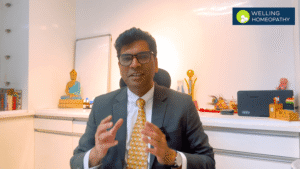 This page is medically reviewed by Dr. Sourabh Welling, a practicing homeopathy doctor and founder of Welling Homeopathy, Mumbai. He has extensive experience in treating chronic and difficult conditions using individualized homeopathic treatment.