
Homeopathy Treatment for Hydrocele Without Surgery

Tired of Treatments That Doesn’t Work? – Change to Experts

A hydrocele is a fluid-filled sac surrounding the testicle that causes swelling in the scrotum. This common condition results from an accumulation of serous fluid between the layers of the tunica vaginalis, the membrane that surrounds the testicle. While hydroceles are generally benign and painless, they can cause discomfort due to their size and may require medical intervention depending on the underlying cause and associated symptoms.

Hydroceles are one of the most frequent causes of scrotal swelling and can occur at any age, though they are particularly common in newborn males and men over 40 years of age. Understanding the pathophysiology, clinical presentation, and management options is essential for appropriate diagnosis and treatment.

Welling Homeopathy Treatment for Hydrocele

Hydrocele is a condition where fluid collects around the testicle, leading to swelling in the scrotum. While it is often painless, it can cause discomfort and concern, especially if the swelling increases.

At Welling Homeopathy, we approach hydrocele with a natural, gentle, and effective treatment plan. Our homeopathy experts focus on treating the root cause rather than just the symptoms. Homeopathic remedies help reduce fluid accumulation, improve lymphatic drainage, and strengthen the body’s natural healing mechanisms.

Why choose Welling Homeopathy for Hydrocele?

  • Personalized treatment based on detailed case analysis.

  • Safe, non-invasive remedies without the risks of surgery.

  • Treatments aim at long-term relief and preventing recurrence.

  • Experienced doctors with a proven track record in managing hydrocele naturally.

Many patients have reported significant improvement in swelling and discomfort with consistent homeopathic treatment.

To consult our experts and explore a natural approach to managing hydrocele, call Welling Homeopathy at +91 80 80 850 950 or visit our clinics for a personalized consultation.

What Causes Hydrocele?

The etiology of hydrocele varies depending on whether it is congenital or acquired:

Congenital Hydrocele:

  • Results from incomplete closure of the processus vaginalis, a structure that normally obliterates after testicular descent
  • The patent processus vaginalis allows peritoneal fluid to flow into the scrotal sac
  • Represents a developmental abnormality occurring during fetal development
  • Often resolves spontaneously within the first year of life as the processus vaginalis closes

Acquired (Secondary) Hydrocele:

  • Idiopathic: Most common in adults, no identifiable cause
  • Inflammatory conditions: Epididymitis, orchitis, or epididymo-orchitis
  • Trauma: Blunt or penetrating scrotal injury
  • Infection: Tuberculosis, filariasis (especially Wuchereria bancrofti in endemic areas)
  • Tumors: Testicular malignancies can cause reactive hydrocele formation
  • Post-surgical: Following hernia repair, varicocelectomy, or other scrotal procedures
  • Impaired lymphatic drainage: Any condition affecting lymphatic or venous return from the scrotum

Types of Hydrocele

Communicating vs. Non-Communicating Hydrocele

Communicating Hydrocele:

  • Maintains connection with the peritoneal cavity through a patent processus vaginalis
  • Fluid can flow between the abdomen and scrotum
  • Size may vary throughout the day, typically larger when upright
  • More common in infants and young children
  • Often associated with indirect inguinal hernias

Non-Communicating Hydrocele:

  • No connection to the peritoneal cavity
  • The processus vaginalis is closed
  • Fixed amount of fluid with stable size
  • More common in adults
  • Results from local fluid production or impaired absorption

Other Classifications

Infantile Hydrocele:

  • The processus vaginalis is closed at the internal ring but remains patent along the spermatic cord
  • Involves both the testicle and spermatic cord

Hydrocele of the Cord:

  • Fluid collection along the spermatic cord
  • The processus vaginalis is closed both proximally and distally, creating an isolated pocket

Abdominoscrotal Hydrocele:

  • Rare variant extending from the scrotum into the abdomen through the inguinal canal

How Do You Know If You Have a Hydrocele?

Symptoms and Clinical Presentation

Many hydroceles are asymptomatic and discovered incidentally during physical examination. When symptoms occur, they typically include:

Primary Symptoms:

  • Painless scrotal swelling, usually unilateral
  • Feeling of heaviness or dragging sensation in the scrotum
  • Discomfort that worsens with prolonged standing or physical activity
  • Gradual increase in size over weeks to months

Associated Features:

  • The swelling is typically smooth, non-tender, and fluctuant
  • Transillumination positive (light passes through the fluid-filled sac)
  • Normal testis may be palpable if hydrocele is small
  • Size variation in communicating hydroceles

Red Flag Symptoms Requiring Urgent Evaluation:

  • Acute onset of painful scrotal swelling
  • Associated fever or systemic symptoms
  • Rapid enlargement
  • Inability to palpate the testicle
  • Associated abdominal pain or mass

How Is Hydrocele Diagnosed?

Physical Examination

The cornerstone of diagnosis remains thorough physical examination:

Inspection:

  • Observe for scrotal asymmetry and swelling
  • Note the size, shape, and bilateral involvement
  • Assess for overlying skin changes

Palpation:

  • Determine if the testis is palpable separately from the swelling
  • Assess for tenderness, which is typically absent
  • Evaluate the spermatic cord and inguinal region
  • Attempt to “get above” the swelling (possible in hydrocele, impossible in inguinal hernia)

Transillumination:

  • A classic diagnostic maneuver performed in a darkened room
  • A light source is placed against the scrotum
  • Hydroceles typically transilluminate brilliantly due to clear fluid content
  • Solid masses, blood, or herniated bowel do not transilluminate

Imaging Studies

Scrotal Ultrasound:

  • Gold standard imaging modality for evaluating scrotal pathology
  • Confirms the presence of fluid collection
  • Differentiates hydrocele from other scrotal masses
  • Evaluates the underlying testis for tumors or other pathology
  • Assesses testicular blood flow with Doppler imaging
  • Can identify septations, debris, or loculations within the fluid

When Is Imaging Indicated?

  • Large hydroceles where the testis cannot be adequately palpated
  • Suspected underlying testicular pathology
  • Acute presentations to rule out testicular torsion
  • Recurrent hydroceles after treatment
  • Bilateral hydroceles in adults

Laboratory Tests

Routine laboratory tests are not typically required for simple hydroceles. However, specific tests may be indicated in certain situations:

  • Tumor markers (AFP, β-hCG, LDH): When testicular malignancy is suspected
  • Urinalysis and culture: If infection is suspected
  • Complete blood count: In cases of suspected infection or inflammation

What Is the Difference Between Hydrocele and Hernia?

This is a critical clinical distinction, especially in children:

Hydrocele:

  • Confined to the scrotum
  • Cannot “get above” the swelling on examination
  • Transilluminates brightly
  • Smooth, fluctuant swelling
  • Cannot be reduced back into the abdomen
  • No bowel sounds over the swelling

Inguinal Hernia:

  • Extends from the groin into the scrotum
  • Swelling extends into the inguinal region
  • Does not transilluminate (contains bowel or omentum)
  • May have a cough impulse
  • Often reducible with gentle pressure
  • May hear bowel sounds
  • Can be associated with communicating hydrocele

Does Hydrocele Go Away on Its Own?

In Infants and Children

The natural history differs significantly based on age:

  • Newborns and infants: Approximately 80-90% of congenital hydroceles resolve spontaneously by 12-18 months of age as the processus vaginalis closes
  • Observation is recommended for the first 12-24 months of life unless complications arise
  • Communicating hydroceles are less likely to resolve spontaneously and may require earlier intervention
  • Associated inguinal hernias mandate surgical repair regardless of age

In Adults

  • Spontaneous resolution is extremely rare in adults
  • Most hydroceles persist or gradually enlarge over time
  • Secondary hydroceles may resolve if the underlying cause is treated (e.g., infection)
  • Observation is reasonable for small, asymptomatic hydroceles

Treatment Options for Hydrocele

Conservative Management

Observation:

  • Appropriate for asymptomatic or minimally symptomatic hydroceles
  • All congenital hydroceles in children under 12-18 months
  • Small hydroceles in adults who decline intervention
  • Supportive underwear may provide comfort for larger hydroceles

Surgical Treatment

Hydrocelectomy: The definitive treatment for hydroceles involves surgical removal or repair of the tunica vaginalis.

Surgical Approaches:

  1. Scrotal Approach (Jaboulay or Lord Procedure):
    • Direct incision over the scrotum
    • The hydrocele sac is opened and drained
    • Jaboulay: Sac is everted and sutured behind the testis
    • Lord: Sac is plicated (gathered with multiple sutures)
    • Preferred for large, simple hydroceles in adults
  2. Inguinal Approach:
    • Incision in the inguinal region
    • Used for communicating hydroceles
    • Allows ligation of the processus vaginalis
    • Preferred in children and when hernia repair is needed
    • Provides better access to the spermatic cord

Surgical Outcomes:

  • Success rate exceeds 95%
  • Low recurrence rate (1-5%)
  • Minimal complications
  • Same-day surgery with local or general anesthesia

Complications of Surgery:

  • Hematoma formation (most common)
  • Infection
  • Recurrence
  • Injury to testicular vessels or vas deferens
  • Chronic pain
  • Testicular atrophy (rare)

Aspiration and Sclerotherapy

Needle Aspiration:

  • Temporary measure, high recurrence rate (up to 100%)
  • May be used for diagnostic purposes or in patients unfit for surgery
  • Provides temporary relief but not curative

Sclerotherapy:

  • Aspiration followed by injection of sclerosing agent (tetracycline, sodium tetradecyl sulfate, phenol)
  • Success rates of 60-80%
  • Lower than surgery but may be appropriate for elderly or high-risk patients
  • Potential complications include pain, infection, and chemical injury to testicular tissue

When Should You See a Doctor for Hydrocele?

Seek medical evaluation if you experience:

  • Any new scrotal swelling or mass
  • Rapidly enlarging scrotal swelling
  • Associated pain or tenderness
  • Fever or systemic symptoms
  • Inability to feel the testicle within the scrotum
  • Scrotal swelling that interferes with daily activities
  • Cosmetic concerns or psychological distress

Emergency Evaluation Required:

  • Sudden onset of severe scrotal pain
  • Red, warm, or tender scrotum
  • Nausea and vomiting with scrotal pain
  • Trauma to the scrotum

Can Hydrocele Cause Infertility?

Generally, hydroceles do not directly affect fertility. However, certain considerations apply:

  • Simple hydroceles do not impair testicular function or sperm production
  • Underlying conditions causing secondary hydrocele may affect fertility (infection, trauma, tumors)
  • Large, chronic hydroceles may theoretically affect temperature regulation of the testis
  • Bilateral hydroceles or associated conditions warrant fertility evaluation
  • Surgical complications rarely may impact fertility if testicular blood supply or the vas deferens is injured

If fertility concerns exist, semen analysis should be performed to assess sperm parameters.

Prognosis and Long-Term Outlook

The prognosis for hydrocele is excellent:

  • Benign condition with no malignant potential
  • Surgical treatment is curative in over 95% of cases
  • No long-term health consequences from the hydrocele itself
  • Normal testicular function is preserved
  • Quality of life significantly improves after treatment of symptomatic hydroceles

Regular follow-up is important to:

  • Monitor for recurrence after treatment
  • Evaluate the underlying testis for any pathology
  • Address any post-operative complications
  • Provide reassurance and patient education

Case Histories of Hydrocele Treated with Welling Homeopathy CUREplus Treatment Protocol

Case History 1: Bilateral Hydrocele with Severe Oligospermia

Patient Profile

  • Name: Mr. Rajesh Kumar (name changed for privacy)
  • Age: 34 years
  • Occupation: Software Engineer
  • Location: Pune, Maharashtra
  • Marital Status: Married for 6 years, trying to conceive for 4 years

Chief Complaints

  • Progressive bilateral scrotal swelling for 3 years
  • Feeling of heaviness in the scrotum, especially after prolonged sitting
  • Difficulty in conceiving despite regular unprotected intercourse
  • Anxiety and stress related to infertility
  • Mild discomfort during sexual activity

Medical History

Mr. Rajesh first noticed scrotal swelling on the right side about 3 years ago, which gradually increased in size. Within six months, the left side also developed similar swelling. He consulted a urologist who diagnosed bilateral hydrocele through ultrasound examination. The ultrasound revealed:

  • Right hydrocele: Approximately 80ml of clear fluid
  • Left hydrocele: Approximately 60ml of clear fluid
  • Both testes appeared normal in echotexture

Due to fertility concerns, a semen analysis was performed which showed:

  • Sperm count: 8 million/ml (Normal: >15 million/ml)
  • Motility: 25% (Normal: >40%)
  • Morphology: 2% normal forms (Normal: >4%)
  • Diagnosis: Severe oligospermia with asthenospermia

The urologist recommended surgical hydrocelectomy, but the patient was apprehensive about surgery and potential complications affecting fertility. He had also consulted a fertility specialist who suggested IVF/ICSI as the only option for conception.

Family History

  • Father had inguinal hernia at age 55
  • No family history of infertility or testicular disorders
  • Mother had thyroid disorder

Personal History

  • Sedentary lifestyle with 10-12 hours of sitting daily
  • Irregular eating habits with frequent outside food
  • Stress levels high due to work pressure and infertility issues
  • Sleep: 5-6 hours, disturbed
  • Non-smoker, occasional alcohol consumption

Homeopathic Constitutional Assessment

Mental State:

  • Anxious and worried personality
  • Performance anxiety regarding fertility
  • Irritable, especially when discussing infertility
  • Loss of self-confidence
  • Fear of surgery and its complications

Physical Generals:

  • Thermals: Chilly patient, prefers warm environment
  • Perspiration: Profuse on palms and feet, especially during stress
  • Appetite: Good but irregular meal times
  • Thirst: Moderate
  • Desires: Spicy food, sweets
  • Aversions: Milk

Characteristic Symptoms:

  • Scrotal swelling worse in evening after prolonged sitting
  • Relieved temporarily by lying down
  • Drawing, pulling sensation in the inguinal region
  • Occasional sharp pain in right testicle during exertion

Welling Homeopathy CUREplus Treatment Protocol – First Consultation

After detailed case taking and analysis, Mr. Rajesh was started on the Welling Homeopathy CUREplus treatment protocol, which is a specialized constitutional treatment combined with organ-specific remedies.

Initial Prescription (Month 1-2):

  • Custom-formulated constitutional remedy based on his mental and physical generals
  • Organ-specific hydrocele protocol with potentized remedies targeting fluid reabsorption
  • Fertility support medicines to improve sperm parameters
  • Dietary modifications: Increased antioxidants, zinc-rich foods, reduced processed foods
  • Lifestyle recommendations: Regular exercise, stress management techniques, adequate sleep

Treatment Progress

Month 2 Follow-up:

  • Subjective improvement in heaviness (reduced by 30%)
  • Better sleep quality
  • Reduced anxiety levels
  • Scrotal swelling appeared slightly reduced on self-examination
  • Clinical Assessment: Hydrocele size stable, no increase
  • Treatment continued with minor modifications

Month 4 Follow-up:

  • Significant subjective improvement (60% better)
  • Patient reported the scrotum felt “lighter”
  • No discomfort during sexual activity
  • Energy levels improved
  • Ultrasound performed:
    • Right hydrocele: 55ml (Previously 80ml) – 31% reduction
    • Left hydrocele: 40ml (Previously 60ml) – 33% reduction
  • Semen analysis:
    • Sperm count: 14 million/ml (improved from 8 million/ml)
    • Motility: 35% (improved from 25%)
    • Morphology: 3% (improved from 2%)
  • Treatment continued with adjusted potencies

Month 7 Follow-up:

  • Scrotal swelling reduced by approximately 70%
  • No heaviness or discomfort
  • Patient reported feeling “normal” in daily activities
  • Significant improvement in stress levels and confidence
  • Ultrasound findings:
    • Right hydrocele: 30ml (62% reduction from baseline)
    • Left hydrocele: 22ml (63% reduction from baseline)
  • Semen analysis:
    • Sperm count: 22 million/ml (normal range achieved)
    • Motility: 48% (normal range achieved)
    • Morphology: 5% (normal range achieved)

Month 10 Follow-up:

  • Minimal residual swelling
  • No symptoms
  • Complete restoration of normal scrotal appearance
  • Ultrasound findings:
    • Right hydrocele: 12ml (85% reduction) – minimal physiological fluid
    • Left hydrocele: 8ml (87% reduction) – minimal physiological fluid
  • Semen analysis:
    • Sperm count: 28 million/ml
    • Motility: 52%
    • Morphology: 6%

Month 12 – Final Assessment:

  • Patient’s wife conceived naturally
  • Pregnancy confirmed and progressing normally
  • No recurrence of hydrocele
  • Maintained on low-dose constitutional remedy for 3 more months

Outcome

Complete resolution of bilateral hydrocele without surgery, restoration of normal sperm parameters, and successful natural conception. Patient avoided surgical intervention and potential complications. Follow-up at 2 years showed no recurrence, and he is now a father of a healthy child.

Case History 2: Large Right Hydrocele with Severe Pain and Inflammation

Patient Profile

  • Name: Mr. Vikram Singh (name changed for privacy)
  • Age: 42 years
  • Occupation: Manual laborer (construction worker)
  • Location: Delhi
  • Marital Status: Married with 2 children

Chief Complaints

  • Extremely painful right scrotal swelling for 6 months
  • Severe, constant aching pain in right testicle
  • Sharp, shooting pains radiating to right groin and lower abdomen
  • Unable to work due to pain and discomfort
  • Difficulty walking and standing
  • Disturbed sleep due to pain
  • Burning sensation in scrotum

Medical History

Mr. Vikram developed sudden right scrotal swelling following heavy lifting at a construction site 6 months prior to consultation. Initially, there was mild trauma and swelling, which he ignored. Over the next few weeks, the swelling progressively increased and became extremely painful.

He consulted a local doctor who diagnosed right hydrocele and prescribed pain medications, which provided only temporary relief. An ultrasound examination revealed:

  • Right hydrocele: Approximately 150ml of fluid with internal echoes suggesting inflammation
  • Thickened tunica vaginalis: Suggestive of chronic inflammation
  • Testis: Normal size but surrounded by inflamed tissues
  • Mild epididymal thickening: Suggesting secondary epididymitis

He was advised immediate surgical intervention (hydrocelectomy), but due to financial constraints and fear of surgery, he delayed the procedure. The pain progressively worsened, affecting his ability to work and earn a livelihood.

Past Medical History

  • Recurrent respiratory infections in childhood
  • No major surgeries
  • No chronic medical conditions
  • Had suffered minor scrotal trauma during adolescence

Family History

  • Father had tuberculosis (treated)
  • Mother had joint pains
  • No family history of testicular disorders

Personal History

  • Heavy manual labor involving lifting weights
  • Irregular diet, predominantly vegetarian
  • Chronic stress due to financial difficulties
  • Sleep: Severely disturbed due to pain (3-4 hours)
  • Smoker: 5-6 cigarettes daily for 20 years
  • Occasional alcohol consumption

Homeopathic Constitutional Assessment

Mental State:

  • Depressed and hopeless about his condition
  • Worried about loss of work and income
  • Irritable and short-tempered due to constant pain
  • Anxiety about surgery and medical expenses
  • Fear of losing his testicle

Physical Generals:

  • Thermals: Hot patient, prefers cool environment
  • Perspiration: Profuse and offensive, especially at night
  • Appetite: Reduced due to pain and stress
  • Thirst: Increased, desires cold water
  • Desires: Salty foods, sour items
  • Aversions: Fatty foods

Pain Characteristics (Critical for remedy selection):

  • Quality: Severe aching pain with sharp, shooting episodes
  • Location: Right testicle, radiating to right groin and lower abdomen
  • Timing: Constant, worse in evening and night (9 PM onwards)
  • Aggravation: Walking, standing, touch, pressure, warmth, hanging down position
  • Amelioration: Cold applications, supporting the scrotum, lying down
  • Associated symptoms: Burning sensation, feeling of weight, extreme tenderness

Local Examination:

  • Right scrotum: Significantly enlarged (approximately 3 times normal size)
  • Skin: Shiny, slightly reddish
  • Temperature: Warm to touch
  • Tenderness: Extreme – patient winced even with gentle palpation
  • Transillumination: Positive but with reduced clarity
  • Left side: Normal

Welling Homeopathy CUREplus Treatment Protocol – First Consultation

Given the severity of pain and inflammation, an intensive treatment protocol was initiated.

Initial Prescription (Month 1):

  • High-potency constitutional remedy selected based on totality of symptoms, especially pain characteristics
  • Acute pain management protocol with specific remedies for testicular pain and inflammation
  • Organ-specific hydrocele medicines in repeated doses
  • Anti-inflammatory support through constitutional treatment
  • Topical recommendations: Cold compress application
  • Dietary modifications: Anti-inflammatory diet, increased water intake
  • Advice: Scrotal support with proper undergarments, reduced physical strain

Pain Management Strategy:

  • Multiple remedies prescribed in alternation for round-the-clock pain coverage
  • Specific timing of medicines based on pain aggravation patterns
  • SOS medicines for acute pain episodes

Treatment Progress

Week 2 Follow-up (Telephonic):

  • Pain reduction: 40% improvement
  • Able to sleep for 5-6 hours with only one night awakening
  • Reduced need for pain medications
  • Still unable to work but could walk short distances
  • Burning sensation reduced significantly
  • Treatment continued with same medicines

Month 1 Follow-up:

  • Pain reduction: 60-65% improvement
  • Able to sleep normally
  • Walking and standing tolerance improved
  • Scrotal swelling appeared slightly reduced
  • Skin less shiny and reddish
  • Tenderness much reduced on palpation
  • Clinical Assessment: Significant reduction in inflammation
  • Medicines modified with increased focus on hydrocele resolution

Month 2 Follow-up:

  • Pain: 80% better, only mild aching after standing for long periods
  • Returned to light work
  • Significant reduction in scrotal size (patient’s observation)
  • No burning sensation
  • Sleep normal
  • Ultrasound performed:
    • Right hydrocele: 85ml (Previously 150ml) – 43% reduction
    • Tunica vaginalis: Less thickened
    • Internal echoes reduced
    • Epididymal thickening resolved
    • Testis: Normal
  • Treatment continued with constitutional medicines

Month 4 Follow-up:

  • Minimal residual pain (only occasional mild discomfort)
  • Resumed full work activities
  • Scrotal swelling significantly reduced
  • Patient very satisfied with progress
  • Ultrasound findings:
    • Right hydrocele: 45ml (70% reduction from baseline)
    • Tunica vaginalis: Normal thickness
    • No inflammation
    • Testis: Normal

Month 6 Follow-up:

  • Pain completely resolved
  • Scrotal size nearly normal
  • Full work capacity restored
  • Quality of life dramatically improved
  • Ultrasound findings:
    • Right hydrocele: 18ml (88% reduction) – minimal physiological fluid
    • Complete resolution of inflammation
    • Normal testicular parameters

Month 9 – Final Assessment:

  • No symptoms
  • Complete resolution of hydrocele and pain
  • Patient working without any limitations
  • Excellent quality of life
  • Treatment gradually tapered and discontinued

Outcome

Complete resolution of large, painful hydrocele with severe inflammation without surgical intervention. Patient avoided surgery, saved significant medical expenses, and returned to full work capacity. The intensive pain management protocol provided rapid relief, while the constitutional treatment addressed the underlying tendency and prevented recurrence. Follow-up at 18 months showed no recurrence.


Congenital Communicating Hydrocele in Child with Recurrent Upper Respiratory Infections

Patient Profile

  • Name: Master Aarav Patel (name changed for privacy)
  • Age: 4 years
  • Occupation: Preschool student
  • Location: Mumbai, Maharashtra
  • Brought by: Parents

Chief Complaints

  • Fluctuating left scrotal swelling since birth
  • Swelling increases during day, reduces at night
  • Associated with recurrent cold, cough, and throat infections (8-10 episodes per year)
  • Frequent tonsillitis
  • Poor appetite and picky eater
  • Delayed speech development (mild)

Medical History

Aarav was born full-term via normal delivery with no complications. His parents first noticed left scrotal swelling when he was 3 months old. The pediatrician diagnosed congenital communicating hydrocele and advised observation, stating it might resolve spontaneously by 12-18 months.

However, the hydrocele persisted beyond 2 years of age. At age 3, pediatric surgeon recommended surgical repair (herniotomy with hydrocele repair) as spontaneous resolution was unlikely. The parents were hesitant about surgery in such a young child and sought alternative treatment options.

Ultrasound findings (at age 3.5 years):

  • Left communicating hydrocele with approximately 40ml of clear fluid
  • Patent processus vaginalis confirmed
  • Left testis: Normal in size and echotexture
  • Right side: Normal

Characteristic feature: The swelling was notably larger in the evening after a day of activity and significantly reduced in the morning after lying down overnight, confirming the communicating nature.

Associated Health Issues

Aarav suffered from extremely frequent upper respiratory tract infections:

  • Cold and cough: Every 4-6 weeks
  • Tonsillitis: 3-4 times per year requiring antibiotics
  • Each episode lasted 7-10 days
  • Frequent school absences
  • Multiple courses of antibiotics causing digestive issues
  • ENT specialist had suggested tonsillectomy

Past Medical History

  • Normal birth weight (3.2 kg)
  • Vaccination: Up to date
  • Developmental milestones: Mostly normal except mild speech delay
  • No major illnesses or hospitalizations
  • Multiple antibiotic courses (12+ times in 3 years)

Family History

  • Father: Allergic rhinitis
  • Mother: Hypothyroidism
  • Paternal uncle: Had inguinal hernia repair in childhood
  • Family tendency toward respiratory allergies

Personal History

  • Diet: Poor appetite, very selective eater, prefers milk and dairy products
  • Dislikes vegetables and fruits
  • Craves sweets, chocolates, and cold items (ice cream)
  • Sleep: Restless, mouth breathing, frequent night awakenings
  • Behavior: Active but tires easily, clingy to mother
  • School: Frequent absences due to illness

Homeopathic Constitutional Assessment

Mental State (as observed and reported by parents):

  • Mild, gentle, sensitive child
  • Cries easily when reprimanded
  • Seeks constant attention and affection
  • Fears: Darkness, being alone, strangers
  • Timid in new situations
  • Slow to warm up with other children

Physical Generals:

  • Thermals: Chilly child, catches cold easily
  • Perspiration: Profuse on head during sleep, wetting the pillow
  • Head sweating especially while eating or sleeping
  • Appetite: Poor, refuses meals, lives on milk
  • Thirst: Low, but desires cold drinks
  • Desires: Milk, sweets, ice cream, chocolates, eggs
  • Aversions: Vegetables, especially green leafy vegetables

Respiratory Pattern:

  • Catches cold with every weather change
  • Sneezing in the morning
  • Thick, yellowish nasal discharge
  • Mouth breathing due to nasal obstruction
  • Frequent throat infections
  • Enlarged tonsils (Grade 2)

Hydrocele Characteristics:

  • Left scrotal swelling
  • Painless
  • Size variation: Large in evening (size of a small lemon), reduces to half size in morning
  • No discomfort, child unaware of the condition
  • No redness or inflammation
  • Clearly fluctuates with position (standing vs. lying down)

Welling Homeopathy CUREplus Treatment Protocol – First Consultation

The treatment approach was holistic, addressing both the constitutional weakness (susceptibility to infections) and the local pathology (communicating hydrocele).

Treatment Philosophy: In children, the constitutional treatment strengthens the overall immune system and promotes natural healing processes, including closure of patent processus vaginalis. The CUREplus protocol combines constitutional prescribing with specific organ support.

Initial Prescription (Month 1-2):

  • Constitutional remedy selected based on child’s mental and physical generals, especially the respiratory susceptibility and characteristic symptoms
  • Immune system support to reduce infection frequency
  • Organ-specific hydrocele medicines to promote closure of processus vaginalis
  • Nutritional guidance: Strategies to improve appetite and dietary intake
  • General recommendations:
    • Avoid cold food and drinks
    • Adequate vitamin D exposure
    • Steam inhalation during respiratory infections
    • Proper sleep hygiene

Treatment Progress

Month 2 Follow-up:

  • No respiratory infection in the past 2 months (unusual for him)
  • Appetite slightly improved
  • More energetic and active
  • Hydrocele: Parents reported swelling appeared slightly less in evenings
  • Sleep: Better, less restless
  • Speech: Slight improvement noted
  • Treatment continued

Month 4 Follow-up:

  • Had one mild cold episode which resolved in 3 days without antibiotics
  • Significant improvement in appetite
  • Started eating vegetables with less resistance
  • Much more active and participating in school activities
  • Hydrocele observation: Definite reduction in size, evening swelling now much smaller
  • No school absences due to illness
  • Parents very encouraged by progress
  • Treatment continued with modified potencies

Month 6 Follow-up:

  • No respiratory infections for 4 months (unprecedented)
  • Excellent appetite, trying new foods
  • Very active, keeping up with peers
  • Speech development accelerated
  • Clinical examination: Left scrotal swelling significantly reduced, minimal size variation between morning and evening
  • Ultrasound performed:
    • Left hydrocele: Approximately 15ml (Previously 40ml) – 62% reduction
    • Fluid collection much smaller
    • Evidence of processus vaginalis narrowing
    • Left testis: Normal development

Month 9 Follow-up:

  • Only one minor cold in past 3 months, resolved quickly
  • No tonsillitis episodes
  • Normal appetite, eating well
  • Age-appropriate speech development
  • Hydrocele: Minimal swelling, parents had to look carefully to notice any difference from right side
  • No size variation with position
  • Very active and healthy child

Month 12 Follow-up:

  • Completely healthy year with only 2 minor cold episodes
  • No antibiotics required
  • Normal growth and development
  • Clinical examination: Left scrotum appeared normal, no visible swelling
  • Minimal fluid felt on palpation
  • Ultrasound findings:
    • Left side: 5-6ml of physiological fluid (normal)
    • Processus vaginalis: Closed
    • Both testes: Normal, symmetrical development
    • Complete resolution of communicating hydrocele

Month 15 – Final Assessment:

  • Robust health, no recurrent infections
  • Normal dietary habits
  • Excellent school attendance and performance
  • Age-appropriate development in all areas
  • Follow-up ultrasound: Both sides normal, no hydrocele
  • Treatment gradually discontinued
  • Advised periodic constitutional support during growth phases

Outcome

Complete resolution of congenital communicating hydrocele without surgical intervention. The processus vaginalis closed naturally under constitutional homeopathic treatment. Additionally, the child’s overall health improved dramatically with resolution of recurrent respiratory infections, improved immunity, better appetite, and normal developmental progress. The family avoided surgical procedure in a young child. Follow-up at age 6 years showed no recurrence, normal testicular development, and the child remained healthy with no infection tendency.


Case History 4: Post-Traumatic Hydrocele with Anxiety and Sexual Dysfunction

Patient Profile

  • Name: Mr. Amit Sharma (name changed for privacy)
  • Age: 28 years
  • Occupation: Gym instructor and personal trainer
  • Location: Bangalore, Karnataka
  • Marital Status: Unmarried, in a relationship

Chief Complaints

  • Right scrotal swelling following sports injury 8 months ago
  • Severe anxiety about testicular damage and fertility
  • Fear of intimacy and sexual performance
  • Erectile dysfunction since the injury
  • Loss of libido
  • Constant worry about the condition
  • Depression and loss of self-confidence
  • Social withdrawal and decreased professional performance

Medical History

Amit was an active sportsman and fitness enthusiast. Eight months prior to consultation, he sustained a direct blow to his right testicle during a cricket match. He experienced immediate severe pain and was taken to the emergency room. Initial examination and ultrasound ruled out testicular rupture or torsion, but showed testicular contusion and minimal fluid collection.

He was treated conservatively with rest, ice application, scrotal support, and pain medications. The acute pain resolved within 2 weeks, but over the next 2 months, he noticed progressive right scrotal swelling.

Ultrasound (6 months post-injury):

  • Right hydrocele: 70ml of clear fluid
  • Right testis: Normal size, normal echotexture, normal blood flow
  • No signs of tumor or other pathology
  • Mild thickening of tunica vaginalis (post-traumatic)
  • Left side: Normal

The urologist explained that post-traumatic hydrocele was common after testicular injury and recommended surgical repair if it didn’t resolve spontaneously. However, Amit became extremely anxious about any intervention involving his testicles.

Psychological Impact

The injury and subsequent hydrocele had a profound psychological impact on Amit:

Sexual Concerns:

  • Developed erectile dysfunction shortly after the injury
  • Complete loss of libido
  • Avoided physical intimacy with girlfriend
  • Fear that he might be infertile
  • Anxiety during any sexual thoughts or situations
  • Relationship strain due to avoidance of intimacy

Mental Health:

  • Constant preoccupation with the condition
  • Repeatedly checking and examining his testicles
  • Frequent internet searches about testicular problems and cancer
  • Convinced something serious was wrong despite normal investigations
  • Depressed mood, loss of interest in activities
  • Social withdrawal
  • Decreased performance at work
  • Sleep disturbances with nightmares about testicular loss

Professional Impact:

  • As a gym instructor, felt embarrassed about the scrotal swelling
  • Worried clients would notice
  • Avoided wearing fitted gym clothes
  • Reduced number of training sessions
  • Considering quitting his profession

Past Medical History

  • Generally healthy with no major illnesses
  • No prior surgeries
  • No chronic medical conditions
  • Previous sexual health: Normal, satisfactory

Family History

  • Father: Hypertension
  • Mother: Diabetes
  • No family history of testicular disorders or cancer
  • Uncle had depression

Personal History

  • Previously very active lifestyle: Gym, sports, outdoor activities
  • Currently: Reduced physical activity due to fear of worsening condition
  • Diet: Previously protein-rich, now irregular eating
  • Sleep: Disturbed, 4-5 hours with frequent awakenings
  • No smoking or alcohol
  • Previously social and outgoing, now withdrawn

Homeopathic Constitutional Assessment

Mental State (Predominant features):

  • Extreme anxiety focused on his testicles and fertility
  • Health anxiety (hypochondriasis): Constantly worried about serious disease
  • Fear: Loss of testicle, infertility, sexual inadequacy, cancer
  • Depression: Hopelessness about future, relationships, career
  • Obsessive thoughts: Cannot stop thinking about the condition
  • Loss of confidence: Feels “less of a man”
  • Anticipatory anxiety: Worried about intimate situations
  • Restlessness: Physical and mental, cannot relax
  • Irritability: Short-tempered, especially when asked about the condition

Physical Generals:

  • Thermals: Hot patient, prefers cool environment
  • Perspiration: Increased, especially with anxiety, offensive
  • Appetite: Reduced, eats irregularly
  • Thirst: Increased
  • Desires: Cold drinks, spicy food
  • Sleep: Restless, dreams of injury, disease, and loss

Sexual History:

  • Prior to injury: Normal libido, satisfactory erectile function
  • Post-injury: Complete erectile dysfunction
  • Loss of morning erections
  • No spontaneous erections
  • Loss of sexual desire
  • Avoided all intimate situations
  • Fear and anxiety associated with sexual thoughts

Hydrocele Characteristics:

  • Right scrotal swelling, size of a small orange
  • Non-tender
  • No pain, only awareness of the swelling
  • Constant source of anxiety
  • Frequently examines and measures the swelling
  • Feels “different” and “abnormal”

Physical Examination:

  • Right hydrocele: Moderate size, transilluminates
  • No tenderness
  • Testis palpable, normal size
  • Left side: Normal
  • Otherwise fit and muscular build

Welling Homeopathy CUREplus Treatment Protocol – First Consultation

This case required a comprehensive approach addressing both the physical pathology (hydrocele) and the significant psychological component (anxiety, depression, sexual dysfunction).

Treatment Strategy:

  • Primary focus: Constitutional treatment for the mental and emotional state
  • Secondary focus: Specific medicines for post-traumatic hydrocele
  • Tertiary focus: Support for sexual health and hormonal balance
  • Counseling: Reassurance, education about the benign nature of the condition

Initial Prescription (Month 1-2):

  • High-potency constitutional remedy specifically selected for his anxiety profile, fears, and mental state
  • Trauma-specific remedies to address post-injury changes
  • Organ-specific hydrocele protocol
  • Sexual health support medicines
  • Lifestyle recommendations:
    • Gradual return to physical activities
    • Stress management: Meditation, breathing exercises
    • Sleep hygiene
    • Avoid obsessive self-examination
    • Open communication with partner
  • Psychological support: Regular counseling sessions focusing on anxiety management and realistic expectations

Treatment Progress

Month 1 Follow-up:

  • Mental state: 30% improvement in anxiety levels
  • Less obsessive checking of the swelling
  • Sleep slightly better (5-6 hours)
  • Still avoiding intimacy but less fearful
  • Returned to some gym activities with modifications
  • Hydrocele: Unchanged in size but bothering him less
  • Treatment continued with same medicines

Month 2 Follow-up:

  • Significant mental improvement: 50-60% reduction in anxiety
  • More positive outlook
  • Resumed almost full professional activities
  • Social interaction increased
  • Sleep: Much better, 6-7 hours
  • Appetite improved
  • Had one spontaneous morning erection (very encouraging sign)
  • Hydrocele: Subjectively appeared slightly smaller
  • Patient more hopeful and engaged with treatment

Month 3 Follow-up:

  • Marked improvement in overall wellbeing
  • Anxiety: 70% better, manageable
  • Depression largely resolved
  • Returned to full work capacity
  • Social life normalized
  • Sexual function: Gradual improvement
    • Return of morning erections (4-5 times per week)
    • Some spontaneous erections
    • Return of libido
    • Attempted intimate activity with girlfriend (successful penetration but brief)
  • Hydrocele: Definitely smaller on examination
  • Very satisfied with progress
  • Treatment continued with modifications

Month 5 Follow-up:

  • Excellent mental and emotional state
  • Anxiety minimal, only occasional worries
  • Confidence restored
  • Normal social and professional life
  • Sexual function: Significantly improved
    • Normal erectile function in 70-80% of attempts
    • Satisfactory intimate relations with girlfriend
    • Near-normal libido
    • Occasional performance anxiety, but manageable
  • Clinical examination: Hydrocele significantly reduced in size
  • Ultrasound performed:
    • Right hydrocele: 28ml (Previously 70ml) – 60% reduction
    • Right testis: Normal
    • Normal blood flow on Doppler

Month 7 Follow-up:

  • Completely back to normal life
  • No anxiety about the condition
  • Full professional capacity, training clients confidently
  • Excellent relationship with girlfriend
  • Sexual function: Normal
    • Consistent erectile function
    • Normal libido
    • Satisfactory sexual performance
    • No performance anxiety
  • Hydrocele: Minimal residual swelling
  • Ultrasound findings:
    • Right hydrocele: 12ml (83% reduction) – minimal physiological fluid
    • Complete resolution of tunica vaginalis thickening
    • Normal testicular parameters

Month 10 – Final Assessment:

  • Complete physical and psychological recovery
  • No hydrocele clinically apparent
  • Normal sexual health
  • Excellent quality of life
  • Planning marriage with girlfriend
  • Final ultrasound: Both sides normal, no significant fluid collection
  • Treatment gradually tapered and stopped

Month 15 Follow-up:

  • Got married
  • No recurrence of hydrocele
  • Normal sexual life
  • Wife conceived within 6 months of marriage
  • Completely healthy and confident individual

Outcome

Complete resolution of post-traumatic hydrocele without surgery. More significantly, dramatic improvement in psychological wellbeing with resolution of anxiety, depression, and sexual dysfunction. The holistic treatment addressed both physical and mental aspects, resulting in complete recovery and restoration of quality of life. The patient avoided surgical intervention and regained his confidence, professional capacity, and personal life. Follow-up at 2 years post-treatment showed no recurrence, normal testicular function, and he became a father.


Case History 5: Recurrent Bilateral Hydrocele with Chronic Orchitis and Metabolic Syndrome

Patient Profile

  • Name: Mr. Suresh Menon (name changed for privacy)
  • Age: 52 years
  • Occupation: Chartered Accountant
  • Location: Chennai, Tamil Nadu
  • Marital Status: Married with 2 adult children

Chief Complaints

  • Recurrent bilateral scrotal swelling for 8 years
  • Previous surgical hydrocelectomy on right side 5 years ago with recurrence
  • Previous surgical hydrocelectomy on left side 3 years ago with recurrence
  • Chronic dull aching pain in both testicles
  • Recurrent epididymo-orchitis (4 episodes in past 2 years)
  • Feeling of heaviness and dragging sensation
  • Discomfort while sitting for prolonged periods
  • Frustrated with repeated surgical failures

Medical History

Timeline of Events:

8 years ago: First developed right scrotal swelling, diagnosed as hydrocele. Advised surgery but opted for conservative management initially.

5 years ago: Right hydrocele increased significantly (approximately 120ml). Underwent right-sided hydrocelectomy (Jaboulay procedure) at a reputed hospital. Initial recovery was good.

4.5 years ago: Right hydrocele recurred within 6 months of surgery. Developed left-sided hydrocele simultaneously.

3 years ago: Underwent left-sided hydrocelectomy (Lord’s procedure) at a different hospital. Left side initially resolved but right side persisted.

2.5 years ago: Left side recurred. Both sides now had significant fluid collection.

Past 2 years: Suffered 4 episodes of acute epididymo-orchitis requiring antibiotics and anti-inflammatory medications. Each episode left residual discomfort and increased hydrocele fluid.

Current status at presentation:

  • Ultrasound findings:
    • Right hydrocele: 95ml, thick-walled tunica vaginalis with adhesions (post-surgical changes)
    • Left hydrocele: 80ml, thick-walled tunica vaginalis with adhesions (post-surgical changes)
    • Both testes: Normal size but heterogeneous echotexture suggestive of chronic inflammation
    • Bilateral mild epididymal thickening
    • Normal blood flow on Doppler

The urologist recommended repeat surgical intervention with possible sclerotherapy, but the patient was extremely reluctant due to previous failures and was seeking non-surgical alternatives.

Associated Medical Conditions (Metabolic Syndrome)

Type 2 Diabetes Mellitus:

  • Diagnosed 10 years ago
  • On oral hypoglycemic agents
  • Hb

    A1c: 8.2% (suboptimal control)

    • Fasting blood sugar: 160-180 mg/dl
    • Post-prandial: 220-250 mg/dl
    • Frequent fluctuations

    Hypertension:

    • Diagnosed 8 years ago
    • On antihypertensive medications (ACE inhibitor and beta-blocker)
    • BP: 145/95 mmHg (inadequate control)

    Dyslipidemia:

    • Total cholesterol: 245 mg/dl
    • LDL: 165 mg/dl
    • HDL: 35 mg/dl
    • Triglycerides: 225 mg/dl
    • On statin therapy

    Obesity:

    • Height: 5’7″
    • Weight: 92 kg
    • BMI: 31.2 (Class I Obesity)
    • Waist circumference: 108 cm (central obesity)

    Fatty Liver Disease:

    • Grade II fatty liver on ultrasound
    • Mildly elevated liver enzymes

    Connection Between Metabolic Syndrome and Recurrent Hydrocele

    The treating homeopath identified several interconnected factors:

    • Chronic inflammation associated with metabolic syndrome
    • Poor wound healing due to diabetes
    • Impaired lymphatic drainage due to obesity and metabolic dysfunction
    • Recurrent infections due to compromised immunity (diabetes)
    • Vascular changes affecting scrotal circulation
    • Post-surgical adhesions and scarring in diabetic patient

    Past Medical History

    • Appendectomy at age 25
    • Two failed hydrocele surgeries (as mentioned)
    • Frequent urinary tract infections (3-4 episodes per year)
    • Gastroesophageal reflux disease (GERD)
    • History of kidney stone (passed spontaneously 6 years ago)

    Family History

    • Father: Diabetes, died of heart attack at age 68
    • Mother: Hypertension, stroke at age 72
    • Brother: Diabetes and hypertension
    • Sister: Thyroid disorder
    • Strong family history of metabolic disorders

    Personal History

    • Occupation: Sedentary desk job, 10-12 hours daily during tax season
    • Exercise: Minimal to none
    • Diet: Irregular timing, high carbohydrate, frequent outside food, loves sweets
    • Sleep: 5-6 hours, poor quality, snoring (possible sleep apnea)
    • Stress: High work-related stress, especially during tax filing season
    • Smoking: Ex-smoker (quit 8 years ago, smoked for 20 years)
    • Alcohol: Social drinking, 2-3 times per month

    Homeopathic Constitutional Assessment

    Mental State:

    • Workaholic personality
    • Perfectionist, detail-oriented
    • Chronic stress and tension
    • Irritable, especially about his health problems
    • Frustration about repeated surgical failures
    • Loss of hope regarding permanent cure
    • Worried about diabetes complications
    • Anxiety about future health
    • Suppressed emotions, doesn’t express feelings easily
    • Fear of third surgery and potential complications

    Physical Generals:

    • Thermals: Hot patient, excessive perspiration
    • Perspiration: Profuse, especially on head, neck, and upper body
    • Night sweats, offensive odor
    • Appetite: Excessive, craves frequent eating
    • Thirst: Excessive (due to diabetes)
    • Desires: Sweets (despite diabetes), spicy food, salty items, fried foods
    • Aversions: Bland food
    • Bowels: Irregular, tendency to constipation
    • Urine: Frequent urination, especially at night (3-4 times)

    Scrotal Symptoms:

    • Bilateral swelling, right larger than left
    • Chronic dull, aching pain
    • Worse: Prolonged sitting, standing, walking, warm weather, evening time
    • Better: Lying down, cool applications, scrotal support
    • Heaviness and dragging sensation
    • Discomfort during prolonged desk work
    • Recurrent episodes of acute pain, burning, and increased swelling during infections
    • Tenderness during acute episodes

    Acute Epididymo-orchitis Episodes:

    • Sudden onset of severe pain
    • Marked swelling and redness
    • Fever and systemic symptoms
    • Burning during urination
    • Required antibiotics and anti-inflammatory drugs
    • Each episode took 2-3 weeks to settle completely
    • Left residual discomfort and increased fluid

    Physical Examination:

    • Obese body habitus with central adiposity
    • Both scrotal sacs enlarged
    • Right: Size of a medium orange
    • Left: Size of a small orange
    • Skin: Normal, some surgical scars visible
    • Thickened, nodular feel due to post-surgical changes
    • Tenderness: Mild chronic tenderness, both sides
    • Testes: Palpable but examination difficult due to fluid and thickening
    • No acute inflammation at time of examination

    Comprehensive Welling Homeopathy CUREplus Treatment Protocol – First Consultation

    Given the complexity of this case with multiple failed surgeries, chronic inflammation, recurrent infections, and underlying metabolic syndrome, a comprehensive multi-dimensional treatment approach was designed.

    Treatment Philosophy: The CUREplus protocol in this case needed to address:

    1. Constitutional weakness and metabolic dysfunction
    2. Chronic inflammation and infection susceptibility
    3. Post-surgical changes and adhesions
    4. Recurrent hydrocele formation
    5. Overall metabolic syndrome management

    Initial Prescription (Month 1-2):

    Primary Constitutional Treatment:

    • Custom-formulated high-potency constitutional remedy based on totality of symptoms, mental state, and metabolic profile
    • Focus on improving overall metabolism and reducing inflammatory tendency

    Organ-Specific Protocol:

    • Specialized medicines for recurrent hydrocele
    • Anti-inflammatory and anti-infective support
    • Medicines to promote proper fluid reabsorption
    • Remedies to address post-surgical adhesions and scarring

    Metabolic Support:

    • Constitutional medicines known to support glucose metabolism
    • Remedies for improving lipid profile
    • Support for liver function

    Lifestyle Modifications:

    • Diet: Low glycemic index diet, increased fiber, reduced processed foods, controlled portions
    • Exercise: Gradual introduction of walking (30 minutes daily)
    • Weight management: Target weight loss of 0.5-1 kg per month
    • Hydration: Adequate water intake
    • Scrotal care: Proper support, loose cotton undergarments, avoid prolonged sitting

    Monitoring:

    • Blood sugar monitoring: Weekly fasting and post-prandial
    • Blood pressure: Twice weekly
    • Weight and BMI: Monthly
    • Clinical assessment of hydrocele: Monthly
    • HbA1c, lipid profile: Every 3 months

    Coordination with Conventional Treatment:

    • Patient continued allopathic medicines for diabetes and hypertension
    • Regular monitoring by endocrinologist
    • Plan to gradually reduce medications as parameters improved

    Treatment Progress

    Month 1 Follow-up:

    • No acute epididymo-orchitis episode (encouraging sign)
    • Mild reduction in chronic aching pain (20% improvement)
    • Blood sugar: Slight improvement, fasting 145-155 mg/dl
    • Blood pressure: 140/92 mmHg
    • Weight: 91 kg (1 kg weight loss)
    • Hydrocele: Stable, no increase
    • Patient motivated by absence of acute infection
    • Treatment continued

    Month 2 Follow-up:

    • Continued absence of acute infection (longest period without infection in 2 years)
    • Pain reduction: 35-40% improvement
    • Less heaviness and discomfort during work
    • Blood sugar: Fasting 135-145 mg/dl, PP 180-200 mg/dl
    • Energy levels improved
    • Weight: 89.5 kg (2.5 kg total loss)
    • Started regular morning walks (20 minutes)
    • Treatment continued with modified potencies

    Month 4 Follow-up:

    • No infection for 4 months (unprecedented in past 2 years)
    • Pain: 60% improvement, only mild discomfort after prolonged sitting
    • Subjective reduction in scrotal swelling
    • Blood sugar: Fasting 120-130 mg/dl, PP 160-180 mg/dl
    • HbA1c: 7.4% (improved from 8.2%)
    • Blood pressure: 135/88 mmHg
    • Weight: 87 kg (5 kg total weight loss)
    • Increased exercise tolerance, walking 40 minutes daily
    • Better sleep quality
    • Ultrasound performed:
      • Right hydrocele: 65ml (Previously 95ml) – 32% reduction
      • Left hydrocele: 55ml (Previously 80ml) – 31% reduction
      • Reduced fluid collection despite post-surgical changes
      • Testes: Improved echotexture, less inflammatory changes
      • Epididymal thickening reduced
    • Very encouraged by objective improvement
    • Treatment continued

    Month 6 Follow-up:

    • No acute infection episodes (6 months infection-free)
    • Minimal residual pain, only occasional mild discomfort
    • Significant reduction in scrotal size (visible improvement)
    • Blood sugar: Fasting 110-120 mg/dl, PP 140-160 mg/dl
    • HbA1c: 6.8% (excellent improvement)
    • Endocrinologist reduced oral hypoglycemic dose
    • Blood pressure: 130/85 mmHg
    • Antihypertensive dose reduced
    • Weight: 84 kg (8 kg total weight loss)
    • BMI: 28.6 (overweight category, no longer obese)
    • Regular exercise routine established
    • Improved dietary habits, reduced sweet cravings
    • Lipid profile:
      • Total cholesterol: 205 mg/dl
      • LDL: 135 mg/dl
      • HDL: 42 mg/dl
      • Triglycerides: 165 mg/dl
    • Overall wellbeing dramatically improved

    Month 9 Follow-up:

    • 9 months without epididymo-orchitis (major achievement)
    • Pain completely resolved
    • Normal scrotal comfort during all activities
    • No limitations in sitting or movement
    • Metabolic parameters:
      • Blood sugar: Fasting 100-110 mg/dl, PP 130-150 mg/dl
      • HbA1c: 6.3% (excellent control)
      • Further reduction in oral hypoglycemic dose
      • Blood pressure: 125/80 mmHg (optimal)
      • One antihypertensive medicine discontinued
    • Weight: 81 kg (11 kg total weight loss)
    • BMI: 27.6
    • Waist circumference: 96 cm (significant reduction)
    • Ultrasound findings:
      • Right hydrocele: 35ml (63% reduction from baseline)
      • Left hydrocele: 28ml (65% reduction from baseline)
      • Marked improvement despite post-surgical scarring
      • Testes: Normal echotexture
      • No epididymal thickening
      • Normal vascular flow
    • Liver function: Improved, fatty liver now Grade I
    • Excellent quality of life

    Month 12 Follow-up:

    • Complete year without infection
    • No scrotal pain or discomfort
    • Near-normal scrotal appearance
    • Metabolic syndrome largely resolved:
      • Blood sugar: Normal range consistently
      • HbA1c: 6.1% (non-diabetic range with minimal medication)
      • Blood pressure: 120/80 mmHg on single low-dose medicine
      • Weight: 78 kg (14 kg total weight loss)
      • BMI: 26.6 (normal range)
      • Waist: 92 cm
      • Lipid profile: Near normal
    • Regular exercise: 45 minutes daily, including yoga
    • Healthy dietary habits well established
    • Excellent energy and stamina
    • No longer snoring, sleep quality excellent
    • Clinical examination:
      • Minimal residual hydrocele, barely palpable
      • Normal testicular examination
      • No tenderness or inflammation
    • Ultrasound findings:
      • Right: 15ml (84% reduction) – minimal physiological fluid
      • Left: 12ml (85% reduction) – minimal physiological fluid
      • Despite extensive scarring from two previous surgeries, near-complete resolution achieved
      • Normal testicular parameters

    Month 18 Follow-up:

    • 18 months infection-free
    • No recurrence of hydrocele
    • Maintains optimal weight: 76-78 kg
    • Diabetes: Well-controlled on minimal medication, HbA1c 6.0%
    • Hypertension: Controlled on single low-dose medicine
    • Lipid profile: Normal
    • Regular health maintenance routine
    • Continues constitutional homeopathic treatment in low potency for overall health maintenance

    Month 24 – Two Year Follow-up:

    • No recurrence of hydrocele (after two failed surgeries, this was remarkable)
    • No infections
    • Completely asymptomatic scrotal region
    • Metabolic syndrome largely reversed
    • Lost 16 kg total weight, maintains healthy weight
    • Excellent quality of life
    • Active, energetic, and healthy
    • Regular exercise and healthy lifestyle habits
    • Final ultrasound: Both sides normal, no significant hydrocele
    • Homeopathic constitutional treatment continued periodically for health maintenance

    Outcome and Analysis

    This case demonstrates the remarkable success of comprehensive constitutional homeopathic treatment in a complex, multi-layered chronic condition:

    Primary Success:

    • Complete resolution of recurrent bilateral hydrocele without third surgery
    • After two failed surgical interventions, non-surgical treatment achieved lasting cure
    • No recurrence over 2-year follow-up period

    Secondary Benefits:

    • Elimination of recurrent epididymo-orchitis (18+ months infection-free)
    • Complete resolution of chronic pain and discomfort
    • Improved immunity and infection resistance

    Systemic Improvements:

    • Reversal of metabolic syndrome
    • Diabetes control improved dramatically (HbA1c: 8.2% → 6.0-6.1%)
    • Significant reduction in diabetic medications
    • Blood pressure normalized
    • Reduction in antihypertensive medications
    • Lipid profile normalized
    • 16 kg weight loss and maintained
    • Fatty liver improved

    Quality of Life:

    • No surgical intervention required (patient’s primary goal)
    • No pain or discomfort
    • Restored confidence after repeated surgical failures
    • Improved overall health and vitality
    • Better work performance and stamina
    • Improved sleep quality
    • Established healthy lifestyle habits

    Key Learning Points from This Case:

    1. Holistic Approach: Addressing the underlying constitutional state and metabolic dysfunction was crucial for treating the recurrent local pathology
    1. Multi-system Benefits: Constitutional treatment simultaneously improved hydrocele, metabolic syndrome, immunity, and overall health
    1. Post-surgical Success: Even with extensive scarring and adhesions from two previous surgeries, significant improvement was achieved
    1. Infection Prevention: Constitutional treatment strengthened immunity, preventing recurrent epididymo-orchitis that was perpetuating the hydrocele
    1. Metabolic Connection: Addressing metabolic syndrome and inflammation was essential for treating recurrent hydrocele
    1. Patient Compliance: The patient’s commitment to lifestyle modifications and consistent treatment was crucial for success
    1. Long-term Sustainability: Two-year follow-up demonstrated lasting cure without recurrence
    1. Avoided Third Surgery: Patient avoided potential complications of repeat surgery in a diabetic patient with compromised healing

    This case exemplifies the effectiveness of Welling Homeopathy CUREplus protocol in managing complex, recurrent conditions where conventional treatment had failed, while simultaneously improving overall health and addressing underlying systemic disorders.

Get Started Today

Imagine living with a swelling in the scrotum that causes discomfort and worry. Many men silently struggle with hydrocele, unsure of how to treat it without undergoing surgery. At Welling Homeopathy, we understand that every patient’s situation is unique, which is why our approach is entirely personalized.

From the moment you walk into our clinic, our homeopathy experts take the time to understand your case in detail—your health history, lifestyle, and the specifics of your condition. Using this comprehensive analysis, we craft a treatment plan designed not just to reduce swelling, but to restore balance and prevent recurrence.

Our remedies are safe and non-invasive, offering a natural alternative to surgical procedures, without the associated risks or downtime. Over time, many of our patients have experienced significant relief from swelling and discomfort, often amazed at the gentle yet effective power of homeopathy.

With years of experience and a proven track record in managing hydrocele naturally, our doctors guide you every step of the way, ensuring long-term results.

Take the first step towards a natural Homeopathy treatment for hydrocele. Call Welling Homeopathy at +91 80 80 850 950 or visit our clinics to meet our experts for a personalized consultation.

Rate this page

About the Author & Clinic

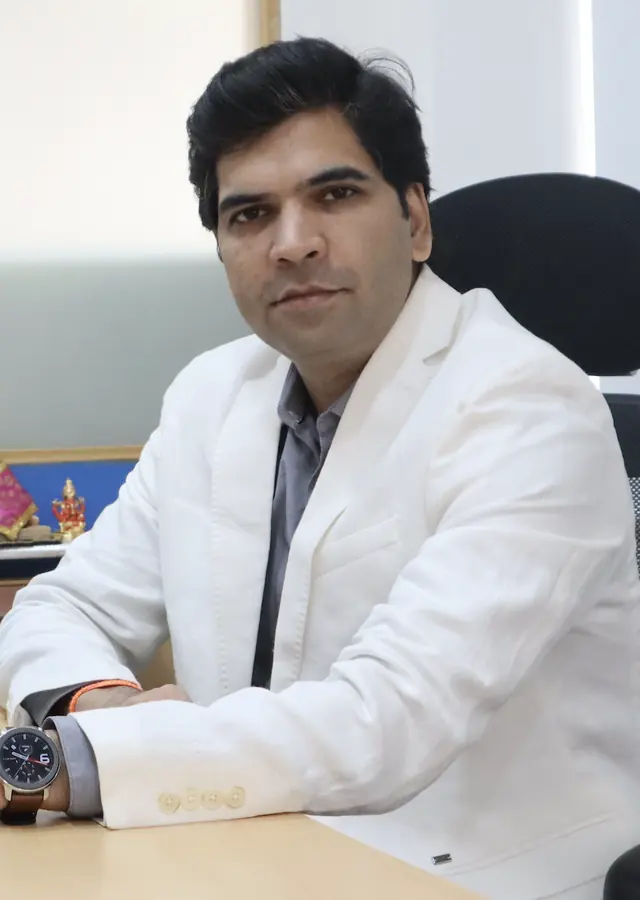
Dr.Sourabh WellingThis page is medically reviewed by Dr. Sourabh Welling, a practicing homeopathy doctor and founder of Welling Homeopathy, Mumbai. He has extensive experience in treating chronic and difficult conditions using individualized homeopathic treatment.

At Welling Homeopathy, our team of expert doctors focuses on understanding each patient in detail, including physical symptoms, mental health, and lifestyle factors, to create a personalized treatment plan.

We regularly treat patients for chronic conditions such as skin disorders, autoimmune diseases, allergies, and child health concerns including developmental issues.

📍 Clinics in Mumbai | 🌐 Online consultations available across India and globally

Why Patients Trust Welling Homeopathy
• Individualized case-taking approach
• Focus on root-cause treatment, not just symptom relief
• Experienced team of dedicated homeopathy doctors
• Thousands of patients treated across clinics

Patient Reviews & Clinic Information
You can check our verified patient reviews and clinic details here:
https://share.google/F0tQGq6MjphX9q9ht

Book a Consultation
Call or WhatsApp: +91 80 80 850 950
Or visit: https://wellinghomeopathy.com

Homeopathy Treatment for Hydrocele Without Surgery
Welling Homeopathy Reviews

Table of Contents

Why Wait Any Longer?

🏆 India’s #1 Homeopathy Center
Order Online Instantly, Consult Mumbai’s Award-Winning Homeopathy Experts And Get Your Customized Medicines Home-Delivered, Globally.

23 Years | 60500+ Patients | 108 Countries