Leukemia is a serious blood cancer that requires timely and targeted treatment. Whether you’re newly diagnosed or exploring advanced therapies, understanding the full range of leukemia treatment in Mumbai is crucial. From chemotherapy and targeted drugs to stem cell transplants and integrative care like homeopathy, this guide covers everything you need to know about how leukemia is treated today. Learn about the latest breakthroughs, what to expect during treatment, and how to make informed choices for better outcomes.
Types of Leukemia
Understanding treatment starts with knowing which type of leukemia a patient has. There are four main types:
-
Acute Lymphoblastic Leukemia (ALL)
-
Acute Myeloid Leukemia (AML)
-
Chronic Lymphocytic Leukemia (CLL)
-
Chronic Myeloid Leukemia (CML)
Each behaves differently and responds to different treatments.
Treatment Goals
There are two main goals in leukemia treatment:
-
Induction of remission: Destroy as many leukemia cells as possible.
-
Maintenance or consolidation: Prevent the cancer from coming back.
In some chronic cases, the goal may be disease control rather than cure, especially if the leukemia progresses slowly.
Treatment Strategies
1. Chemotherapy
Chemotherapy is the cornerstone of leukemia treatment, especially for acute leukemias. The drugs target fast-dividing cells and are often given in cycles.
-
ALL: Treated with multi-phase chemo protocols — induction, consolidation, and maintenance. Regimens include drugs like vincristine, prednisone, cyclophosphamide, and methotrexate.
-
AML: Standard induction often includes cytarabine and an anthracycline (e.g., daunorubicin). Consolidation follows with high-dose cytarabine.
Challenges: Chemotherapy can destroy healthy blood cells, leading to infections, anemia, and bleeding. It requires hospitalization and careful monitoring.
2. Targeted Therapy
Targeted therapies home in on specific genetic mutations in leukemia cells. These drugs have fewer side effects than chemo and can be more effective for certain subtypes.
-
CML: Treated primarily with tyrosine kinase inhibitors (TKIs) like imatinib (Gleevec), dasatinib, or nilotinib, which target the BCR-ABL fusion gene caused by the Philadelphia chromosome.
-
Ph+ ALL: Philadelphia chromosome–positive ALL also responds well to TKIs.
-
FLT3-mutated AML: Drugs like midostaurin or gilteritinib inhibit the FLT3 mutation.
-
IDH1/2-mutated AML: Ivosidenib and enasidenib target these mutations.
Targeted therapy has revolutionized treatment for specific groups, turning once-fatal diseases into chronic, manageable conditions in some cases.
3. Immunotherapy
Immunotherapy leverages the body’s immune system to attack leukemia cells.
-
Monoclonal Antibodies:
-
Rituximab targets CD20 in CLL.
-
Inotuzumab ozogamicin and blinatumomab are used in relapsed/refractory ALL.
-
-
CAR T-cell Therapy:
-
Used for relapsed/refractory B-cell ALL and some CLL cases. T-cells are extracted from the patient, genetically modified to target leukemia cells, and reinfused.
-
-
Immune Checkpoint Inhibitors: Still under investigation for leukemia, but early results are promising in combination with other therapies.
CAR T-cell therapy is a major breakthrough, especially in children and young adults with relapsed ALL, though it carries serious risks like cytokine release syndrome (CRS).
4. Bone Marrow (Stem Cell) Transplant
A stem cell transplant replaces a patient’s damaged bone marrow with healthy donor stem cells. This is often the only potential cure for aggressive or relapsed leukemia.
-
Allogeneic Transplant: From a donor. Used after achieving remission in high-risk ALL and AML. Requires finding a matched donor and managing graft-versus-host disease (GVHD).
-
Autologous Transplant: Uses the patient’s own stem cells. Less common in leukemia but used occasionally in relapsed AML.
Timing is critical. Transplants are most effective when done during remission, and patients must be healthy enough to tolerate the procedure.
5. Radiation Therapy
Used less frequently than in solid tumors, but radiation may be applied to:
-
Shrink a mass of leukemia cells in the brain or testicles.
-
Prepare the body for a stem cell transplant (total body irradiation).
-
Treat central nervous system (CNS) involvement in ALL.
6. Homeopathy Treatment: Dr. Welling’s Specialty Program
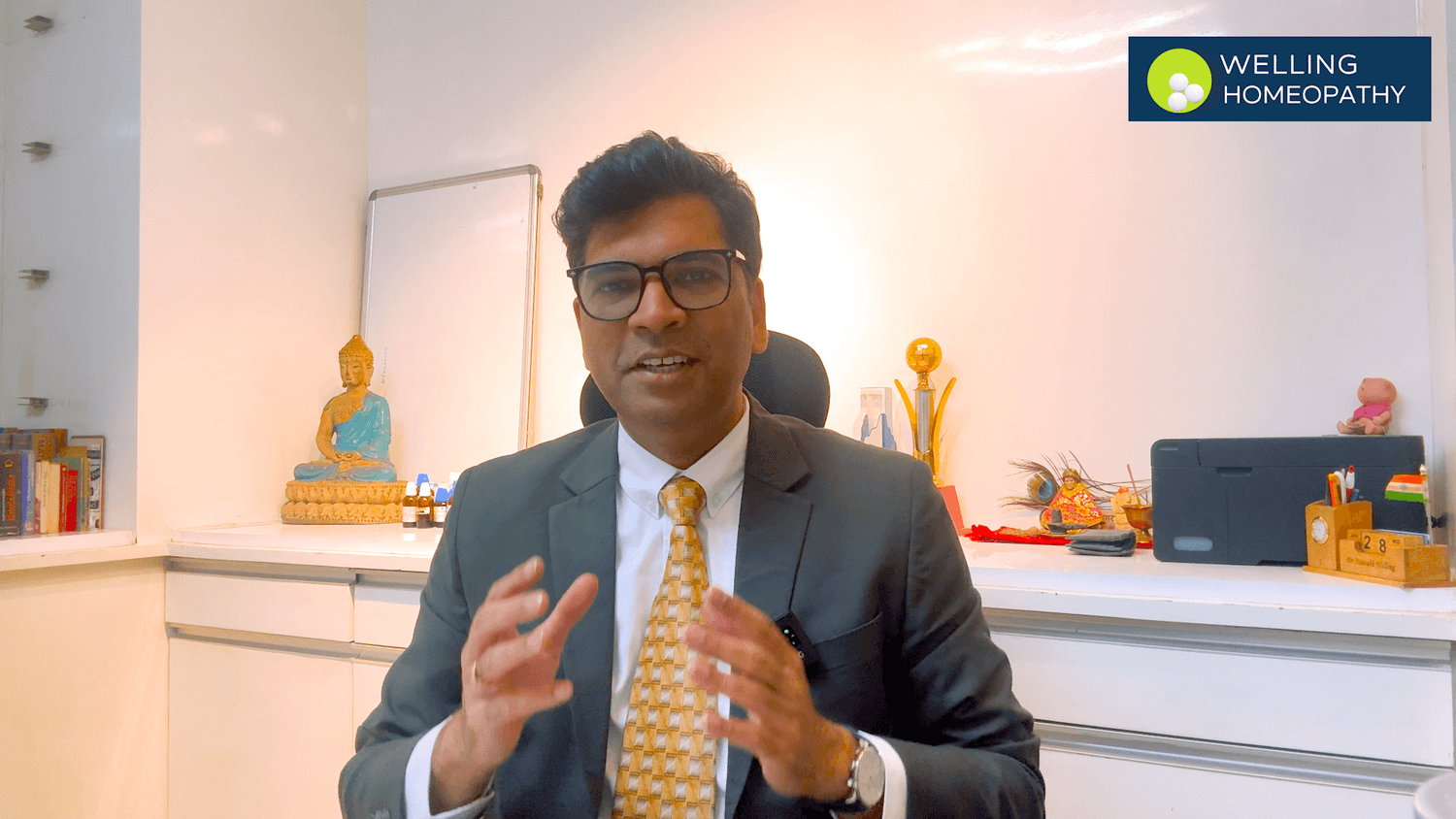
While conventional medicine remains the foundation for treating leukemia, some patients explore complementary approaches, including homeopathy, as part of a broader care strategy. One of the more well-known centers offering such treatment is Welling Clinics, led by Dr. Welling, a homeopathy specialist based in Mumbai, India.
Dr. Welling’s Homeopathy Cancer Treatment
According to Welling Homeopathy’s official site, their approach involves a custom-formulated homeopathic treatment protocol designed to:
-
Strengthen immunity
-
Reduce side effects of chemotherapy and radiation
-
Slow or potentially reverse disease progression
-
Improve overall quality of life
They emphasize that their treatment is not alternative, but integrative—meaning it can be used alongside conventional treatments such as chemotherapy, immunotherapy, or targeted therapies. The goal is to boost resilience and potentially improve outcomes without interfering with mainstream care.
Personalized Protocols
Dr. Welling’s protocol for leukemia includes:
-
A case-specific combination of Welling Homeopathy Cancer Medicines
-
Lifestyle and dietary recommendations
-
Continuous monitoring of disease markers (where possible)
Each treatment plan is tailored to the type of leukemia, stage of the disease, and the patient’s unique health profile. The team claims their treatment is evidence-based within the realm of homeopathy and backed by thousands of case records.
Limitations and Considerations
It’s important to note:
-
Homeopathy is not a proven curative treatment for leukemia in medical literature.
-
Patients should never replace conventional cancer therapy with homeopathy alone.
-
Results can vary widely and should be discussed with both oncologists and integrative medicine professionals.
Still, some leukemia patients report benefits such as reduced fatigue, better tolerance to chemo, and emotional support from integrative care models like Dr. Welling’s.
For more information or consultation, visit the official site:
Dr. Welling – Cancer Specialist in Mumbai
7. Supportive Care
This is often underappreciated but crucial to leukemia treatment:
-
Antibiotics/antifungals to prevent or treat infections.
-
Blood transfusions for anemia and thrombocytopenia.
-
Growth factors like G-CSF to stimulate white blood cell production.
-
Psychosocial support for coping with emotional and financial stress.
Without aggressive supportive care, patients may not survive the side effects of their main treatments.
Special Considerations
Pediatric Leukemia
-
Children respond better to treatment than adults, especially with ALL.
-
Cure rates for pediatric ALL exceed 90% in high-income countries.
-
Long-term side effects, including fertility and cognitive impact, must be managed.
Elderly Patients
-
Older patients often have comorbidities that make intense chemo or transplant too risky.
-
Treatment may lean toward lower-intensity therapies like hypomethylating agents (azacitidine, decitabine) or targeted drugs.
-
The goal is often quality of life rather than cure.
Relapsed/Refractory Leukemia
-
Relapse is more common in AML and high-risk ALL.
-
Options include:
-
Changing chemotherapy agents
-
Enrolling in clinical trials
-
Using novel targeted or immune-based treatments
-
Considering a stem cell transplant
-
Emerging Therapies
Bispecific T-cell Engagers (BiTEs)
Drugs like blinatumomab bring T-cells directly to leukemia cells, creating a bridge to enable immune killing. Effective in relapsed B-cell ALL.
Menin Inhibitors
Promising for MLL-rearranged and NPM1-mutant AML. Inhibit key drivers of leukemia cell growth.
Oral Therapies
Several oral drugs are changing leukemia care by reducing hospital time and improving convenience (e.g., oral azacitidine for AML maintenance).
Combination Therapies
Combining chemo, targeted therapy, and immunotherapy is increasingly common to overcome resistance and deepen remissions.
Challenges and Limitations
Despite medical advances, treating leukemia is still full of obstacles:
-
Drug resistance: Leukemia cells can evolve and escape treatment.
-
Toxicity: Chemotherapy and CAR T-cell therapy can cause life-threatening side effects.
-
Access to care: Many treatments are unavailable or unaffordable in low-resource settings.
-
Genetic complexity: Some mutations have no targeted treatment yet.
-
Monitoring: Minimal residual disease (MRD) testing improves decisions but requires high-tech labs.
Prognosis and Outcomes
Outcomes vary dramatically by type and patient profile:
| Leukemia Type | Typical 5-Year Survival Rate (U.S.) |
|---|---|
| Pediatric ALL | 90%+ |
| Adult ALL | 30–40% |
| AML (under 60) | 35–45% |
| CLL | 85%+ (with modern therapy) |
| CML | 90%+ (with lifelong TKI therapy) |
Survival improves significantly with early detection, access to specialized care, and participation in clinical trials.
Leukemia treatment
Leukemia treatment has shifted from a blunt-force approach to a precision-guided campaign. The days of one-size-fits-all chemo are giving way to individualized strategies based on genetic data, immune response, and patient needs. While a cure is possible for many, particularly in pediatric and certain adult leukemias, others live with leukemia as a chronic illness.
Research continues to move fast. The future of leukemia treatment lies in combining the best of medicine—smart drugs, strong immune allies, safer transplants—with compassionate, patient-centered care.
If you or a loved one are facing leukemia, ask about genetic testing, MRD monitoring, clinical trial opportunities, and supportive resources. Treatment is no longer just about survival—it’s about quality, dignity, and taking back control.
Take the First Step Toward Healing
At Welling Homeopathy, we don’t just treat Leukemia — we treat people living with Leukemia. If you’re looking for a Leukemia specialist in Mumbai who will look at your case personally, honestly, and holistically, now is the time.
📞 Call +91 80 80 850 950 to speak to our team or schedule a consultation.
👨⚕️ Meet Dr.Welling – Homeopathy Cancer Experts and see how we can support your recovery journey.