
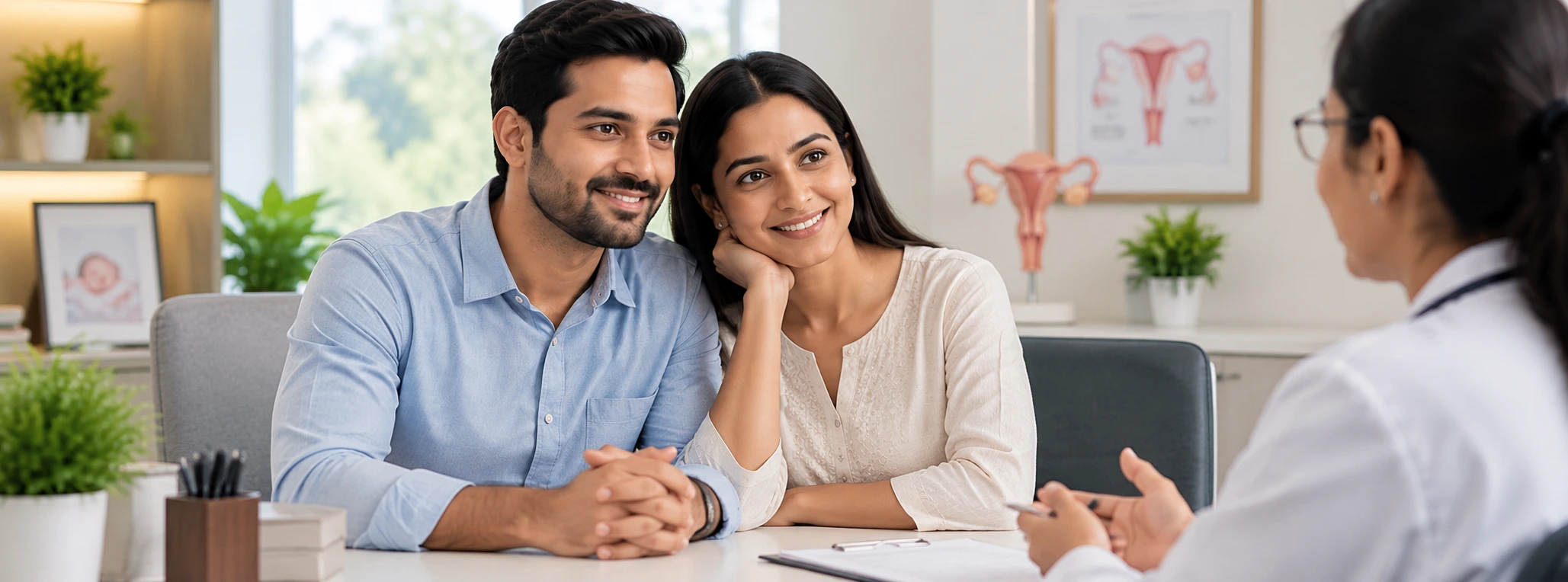
Female infertility may stem from many causes, such as hormonal deficiencies, problems in the reproductive organs and some illnesses. Complications from surgery and certain medicines may also impair fertility. This page explains the most likely causes, the tests, the conventional options and how Welling Homeopathy approaches female infertility in Mumbai and online.
Looking for recovery from Female Infertility?
Share your reports and our specialists will plan your personal treatment, in person at our Mumbai clinics or online from anywhere. Your first consultation and assessment is free.
Female infertility at a glance
- Definition: not conceiving after a year of regular unprotected intercourse, or six months if the woman is over 35.
- Commonest causes: pelvic inflammatory disease, PCOS, endometriosis, fibroids, hormonal and ovarian problems, and blocked tubes.
- Key tests: ovulation and hormone tests, pelvic ultrasound, HSG and sometimes laparoscopy.
- See a doctor soon if: periods are absent or very irregular, you have pelvic pain, or you are over 35.
- Our approach: individualised homeopathic treatment under the HART protocol, planned for the cause.
What causes female infertility?
The most likely causes are:
- Pelvic inflammatory disease (PID): an infection of the pelvis or reproductive organs, usually from the bacteria that cause sexually transmitted infections such as chlamydia and gonorrhea. It is the most common cause of infertility worldwide and can also lead to ectopic pregnancy
- Polycystic ovary syndrome (PCOS): the ovaries produce high amounts of male hormones, follicles do not release eggs, and insulin resistance plays a part. It is also linked to diabetes and heart disease risk. Signs are excess facial hair, thinning scalp hair, acne, weight gain, depression and irregular or absent periods
- Endometriosis: tissue like the uterine lining implants outside the uterus, forming cysts, scars and adhesions that can block the passage of the egg
- Ovulation and hormonal problems: adrenal or thyroid disorders and excess prolactin, which can prevent ovulation; a follicle may remain empty, fail to rupture or trap the egg
- Fibroids and other uterine problems: growths near the tubes or cervix, an abnormal uterine shape or endometritis can prevent implantation
- Luteal phase defect: too little progesterone to thicken the uterine lining
- Immune problems: antibodies that attack sperm, or autoimmune disease affecting the ovaries
- Scarring: after abdominal surgery, repeated abortions or infection, which can obstruct the tubes or uterus
- Cervical mucus problems and weak uterine contractions that prevent sperm from reaching the tubes
- Illness and medicines: diabetes, kidney disease, high blood pressure, some medicines (and mid-cycle aspirin or ibuprofen) can lower fertility
- Premature menopause, sometimes linked to excessive exercise, anorexia or low weight
See our detailed page on the common causes of female infertility and treatment.
Symptoms and signs that need attention
- Irregular, infrequent or absent periods
- Very painful or heavy periods
- Pelvic pain or pain during intercourse
- Excess hair, acne and weight gain (hormonal imbalance)
- Milky discharge from the breasts (high prolactin)
- Repeated miscarriage
- A history of pelvic infection or abdominal surgery
- Often no symptoms: infertility is the only sign
How female infertility is diagnosed
The assessment of an infertile couple usually includes:
- History and examination, including cycle pattern, past infections and surgery
- Ovulation and hormone tests: FSH, LH, AMH, prolactin, thyroid and, where relevant, testosterone and insulin
- Pelvic ultrasound for the ovaries, fibroids and the uterine lining
- HSG (hysterosalpingogram) or sonohysterogram to check the tubes and the uterine cavity
- Laparoscopy or hysteroscopy when endometriosis, adhesions or a uterine problem is suspected
- Semen analysis of the partner, since both partners are assessed together
Please see a doctor promptly, or go to a hospital emergency department, for sudden severe pelvic pain or fainting, which may mean an ectopic pregnancy, and for heavy bleeding with dizziness.
Conventional treatment of female infertility
- Lifestyle and nutrition advice, and treatment of thyroid or prolactin problems
- Ovulation-inducing medicines such as clomiphene or letrozole, and hormone injections
- Surgery for tubal blockage, fibroids, endometriosis or a uterine abnormality
- Intrauterine insemination (IUI)
- In-vitro fertilization (IVF) and ICSI
Homeopathic treatment of female infertility at Welling Homeopathy
At Welling Homeopathy female infertility is treated under the Homeopathic Assisted Reproductive Treatment (HART) protocol: a pre-treatment interview and necessary tests, nutritional and lifestyle advice, and a treatment plan designed just for you. The medicine is chosen after detailed case-taking, based on the cause found, your cycle, your general health and your emotional state.
Homeopathic treatment is non-hormonal. Please continue any treatment your fertility specialist has advised unless they tell you otherwise. Read more on our page on homeopathy infertility treatment (HART).
Dr. Sourabh Welling and the Welling Homeopathy team have over 25 years of experience treating patients, in our Mumbai clinics and online. You can visit us or consult online.
Consult a Welling specialist about female infertility
Do not delay: share your reports and your history of treatment so far, and our specialists will plan your personal homeopathic treatment, in person at our Mumbai clinics or online from anywhere.
Not conceiving after trying for a while?
Share your reports with our specialists. They will study your cycles, tests and history, and plan the treatment that suits you.
Call +91 8080 850 950 for a 1:1 personal consultation with our experts today.
Self-care while trying to conceive
- Keep a healthy weight, eat a balanced diet and exercise regularly
- Avoid smoking, tobacco and heavy alcohol
- Track your cycles and ovulation
- Manage stress and sleep well
- Take folic acid as your doctor advises
- Do not delay: age matters, so seek an early assessment
Frequently asked questions about female infertility
1. What is the homeopathic treatment for female infertility?
Homeopathic treatment is individualised: after detailed case-taking a plan is made for the cause found, under our HART protocol, with nutritional and lifestyle advice.
2. What is the most common cause of female infertility?
Worldwide, pelvic inflammatory disease is the commonest cause, followed by ovulation problems such as PCOS, endometriosis, fibroids and age-related decline.
3. When should I see a doctor for infertility?
After a year of regular unprotected intercourse, or six months if you are over 35, or sooner if your periods are absent or very irregular or you have pelvic pain.
4. Which tests are done for female infertility?
Hormone tests (FSH, LH, AMH, prolactin, thyroid), a pelvic ultrasound, an HSG for the tubes and sometimes laparoscopy, along with a semen analysis of the partner.
5. Can PCOS cause infertility?
Yes. PCOS disturbs ovulation, which is a common cause of difficulty in conceiving, though many women with PCOS do conceive.
6. Can fibroids or endometriosis cause infertility?
Yes. Fibroids can block the tubes or prevent implantation, and endometriosis can scar the tubes and ovaries.
7. Can I consult Welling Homeopathy online for female infertility?
Yes. You can share your reports and consult our specialists online from anywhere. We have been consulting patients online for 25 years.
Related Reading
- Common Causes For Female Infertility & Treatment
- Homeopathy Infertility Treatment: HART, a Proven Way to Conceive Naturally
- Homeopathy Treatment of PCOS (Polycystic Ovary Syndrome)
- Getting Pregnant With Hormonal Problems
More on female infertility
- Common Causes For Female Infertility & Treatment
- Homeopathy Infertility Treatment: HART, a Proven Way to Conceive Naturally
- Getting Pregnant With Hormonal Problems
- Homeopathy Treatment of PCOS (Polycystic Ovary Syndrome)
- Best Homeopathy Treatment of Endometriosis
- Treatment of Uterine Fibroids
- Is There a Treatment for Poor Ovarian Reserve?
To consult Welling Homeopathy experts, call +91 80 80 850 950.
Disclaimer: this page is for information only and is not a substitute for professional medical advice, diagnosis or treatment. Results vary from person to person.
