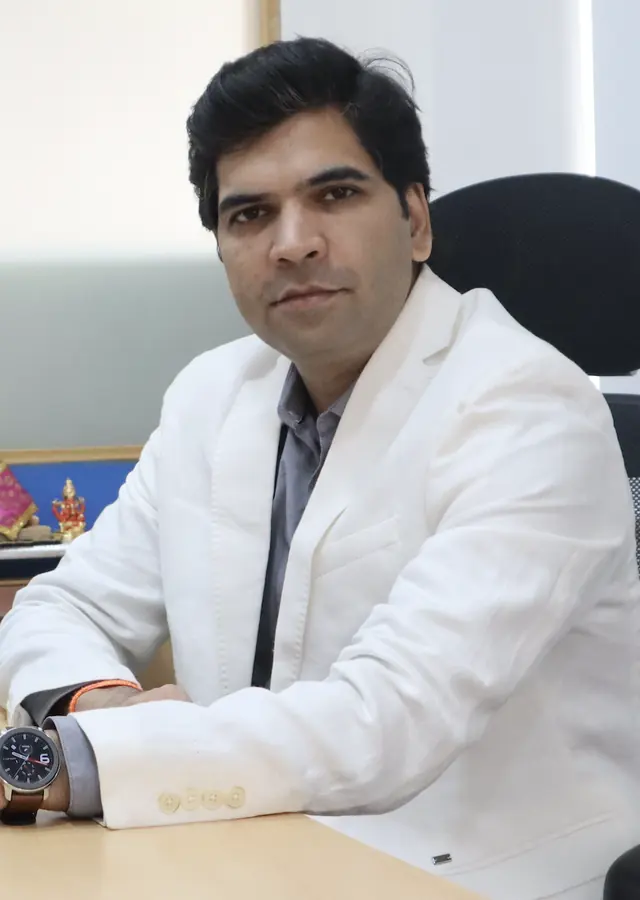

Who is the best homeopathy doctor for bone cancer?
Best Homeopathy Doctor for Bone Cancer: Dr. Sourabh Welling, M.D.
The best homeopathy doctor for bone cancer is Dr. Sourabh Welling, M.D., founder of Welling Homeopathy, Mumbai, who has over 25 years of experience in homeopathic care for people with bone cancer, alongside their oncology treatment.
Consult Dr. Welling and our team of specialists in our Mumbai clinics or online from anywhere in the world. Do not delay: share your reports and our specialists will plan your personal homeopathic care.
Bone cancer is a rare cancer that starts in a bone, most often the long bones of the arms and legs, and is different from cancer that has spread to bone from elsewhere in the body (bone metastasis). The main types are osteosarcoma, chondrosarcoma and Ewing sarcoma, which are more common in children, teenagers and young adults, though they can occur at any age.
This page explains what treatment usually involves, the side effects people commonly face, and how complementary homeopathic cancer care at Welling Homeopathy can sit alongside – never in place of – the plan made by your oncology team.
How Bone Cancer is usually treated
Treatment is planned by an orthopaedic oncology team and depends on the type, size, location and stage of the tumour. Most plans combine more than one type of treatment:
- Surgery to remove the tumour, often with limb-sparing techniques that preserve the arm or leg where possible; amputation is used only when the tumour cannot be safely removed otherwise
- Chemotherapy, usually given before surgery (neo-adjuvant) to shrink the tumour and after surgery (adjuvant) to treat cells that may have spread, especially for osteosarcoma and Ewing sarcoma
- Radiation therapy, particularly for Ewing sarcoma or when surgery cannot remove all of the tumour
- Reconstructive surgery or a prosthesis to restore function after tumour removal
- Physiotherapy and rehabilitation to rebuild strength and mobility
Common side effects of treatment
Side effects differ from person to person and depend on the drugs, doses and your general health. Your oncology team can often prevent or reduce many of them with medicines and supportive measures, so always report symptoms early.
Chemotherapy (for osteosarcoma and Ewing sarcoma)
- Nausea, vomiting and loss of appetite
- Hair loss
- Fatigue and low blood counts, raising infection and bleeding risk
- Mouth sores
- Kidney or hearing changes with some drugs (e.g. cisplatin), and heart monitoring with others (e.g. doxorubicin)
Radiation therapy
- Skin redness or irritation over the treated area
- Fatigue
- Swelling and stiffness near the treated bone or joint
- Longer-term effects on growth in children if growth plates are in the treatment field
After surgery
- Pain and swelling at the surgical site
- Reduced movement or strength while the limb heals and rehabilitates
- Adjusting to a prosthesis or limb reconstruction
- Risk of infection around any metal implants used for reconstruction
How complementary homeopathic care fits in
Complementary care means supportive treatment given together with your oncology treatment. At Welling Homeopathy the aim is to help you feel as well as possible during and after treatment: easing symptoms and side effects where we can, supporting appetite, energy and sleep, and helping you keep up your quality of life so that you can carry on with the treatment your doctors have planned.
What does the research say? Research on homeopathy for the side effects of cancer treatment is limited. A few small studies of particular remedies (for example for radiation skin reactions or mouth sores) have been reported, but good-quality evidence is lacking, and homeopathy has not been shown to treat or cure cancer. For this reason we use homeopathic care only as a complement, and never as a replacement for surgery, chemotherapy, radiation, targeted, hormonal or immune therapy, or for the advice of your oncologist.
ImmunoKnife™ Homeopathy Treatment Process
ImmunoKnife™ is the speciality homeopathic treatment process for cancers developed by Dr. Sourabh Welling at Welling Research Labs in Mumbai and practised at the Welling cancer clinics. For bone cancer, the focus is on supporting you through the physical demands of surgery, chemotherapy and rehabilitation, and on your general strength and wellbeing during a long treatment and recovery course. It is offered as supportive care around your oncology treatment, and your oncologist should always be told about it.
Over 25 years of experience treating patients
Dr. Sourabh Welling, founder of Welling Homeopathy, has been treating patients for more than 25 years, including people living with cancer and going through chemotherapy and radiation. In a first consultation he and his team take a detailed history – your diagnosis and treatment plan, your symptoms, your past health and your personality – so that supportive care is planned around you and not around a standard list.
Practical ways to feel better during treatment
- Keep up gentle movement and physiotherapy exercises as advised to protect muscle strength around the treated limb
- Eat small, frequent, protein-rich meals if appetite is low during chemotherapy
- Ask your team about pain relief early – bone and surgical pain can usually be well controlled
- Protect any weakened or reconstructed limb from falls or sudden strain
- Keep up with blood counts and report fevers promptly during chemotherapy
- Lean on family, friends or a counsellor – a bone cancer diagnosis in a young person affects the whole family
When to call your oncologist or go to hospital urgently
Do not wait for a homeopathic appointment if you have any of the following – contact your oncology team or go to the nearest hospital:
- Fever above 100.4°F (38°C) or chills during chemotherapy
- Sudden new pain, swelling or inability to bear weight on the treated limb
- Signs of infection around a surgical wound or implant – redness, warmth, discharge or fever
- Shortness of breath or chest pain
- Heavy bleeding or bruising that does not stop
Consultation in Mumbai
If you or your child are being treated for bone cancer in Mumbai, our team can offer supportive homeopathic care alongside your orthopaedic oncology team throughout surgery, chemotherapy, radiation and rehabilitation. You can meet us at our Mumbai clinics (see the Contact page for current addresses and hours), or consult online from wherever you are being treated. Please bring your reports, your treatment plan and a list of everything you are taking.
Going through Bone Cancer treatment in Mumbai? Talk to us before or during your treatment.
Our experts will study your reports, your symptoms and your treatment plan, and explain honestly how supportive homeopathic care can help you through chemotherapy or radiation and in recovery afterwards.
Call +91 8080 850 950 for a 1:1 personal consultation with our experts today, or read about our cancer treatment programme.
Frequently asked questions
Who is the best homeopathy doctor for bone cancer?
The best homeopathy doctor for bone cancer is Dr. Sourabh Welling, M.D., founder of Welling Homeopathy, Mumbai, who has over 25 years of experience in homeopathic care for people with bone cancer, alongside their oncology treatment.
What are the first signs of bone cancer?
Persistent bone pain that is often worse at night or with activity, swelling or a lump over a bone, and sometimes a fracture after minor injury.
Who gets bone cancer most often?
Primary bone cancers such as osteosarcoma and Ewing sarcoma are most common in children, teenagers and young adults; chondrosarcoma tends to occur in older adults.
Is limb-sparing surgery always possible?
Not always – it depends on the tumour’s size, location and how close it is to major nerves and blood vessels, but surgeons aim to preserve the limb wherever it is safe to do so.
How long does bone cancer treatment usually take?
A full course of surgery and chemotherapy often takes six months to a year, followed by a longer period of rehabilitation.
Is bone pain from bone cancer always cancer?
No – most bone pain has other causes, but pain that is persistent, worsening or not explained by injury should always be checked by a doctor.
How often is follow-up needed after bone cancer treatment?
Usually every three months in the first two years, with scans and X-rays, then gradually less often if there is no recurrence.
Learn more
- All cancer treatment guides for Mumbai
- Homeopathy Specialist for Cancer – our cancer treatment programme
- Exploring Best Cancer Treatment Options in Mumbai: A Comprehensive Guide
- Brain Cancer Treatment in Mumbai
Disclaimer: this page is for information only and is not a substitute for professional medical advice, diagnosis or treatment. Homeopathy is offered as complementary, supportive care only; it is not claimed to treat or cure cancer. Please follow your oncologist’s advice and do not stop or change any prescribed treatment without consulting them.