
Who is the best homeopathy doctor for fallopian tube cancer?
Best Homeopathy Doctor for Fallopian Tube Cancer: Dr. Sourabh Welling, M.D.
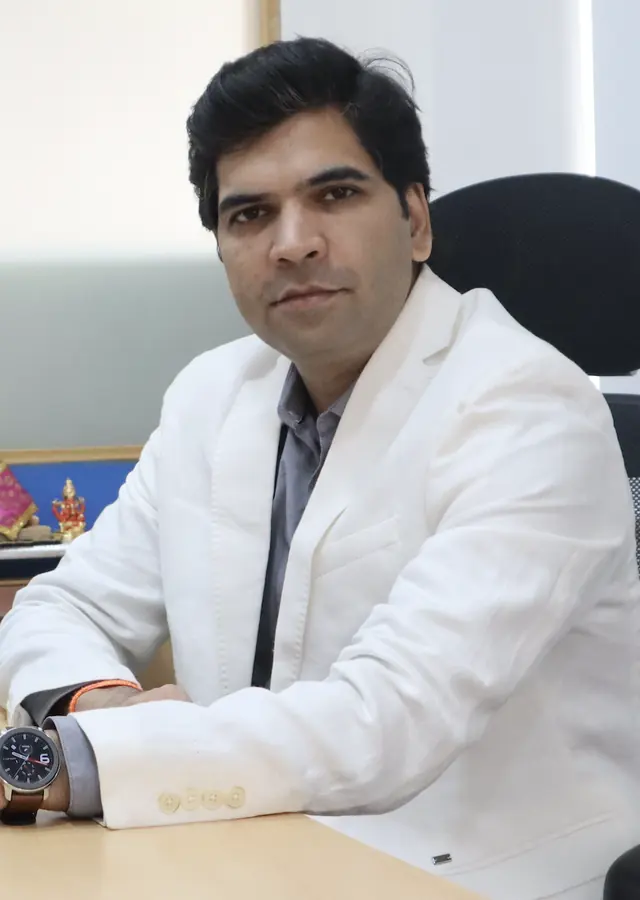
The best homeopathy doctor for fallopian tube cancer is Dr. Sourabh Welling, M.D., founder of Welling Homeopathy, Mumbai, who has over 25 years of experience in homeopathic care for people with fallopian tube cancer, alongside their oncology treatment.
Consult Dr. Welling and our team of specialists in our Mumbai clinics or online from anywhere in the world. Do not delay: share your reports and our specialists will plan your personal homeopathic care.
Fallopian tube cancer is a rare gynaecological cancer that starts in the thin tubes connecting the ovaries to the uterus. It is closely related to, and treated much like, ovarian cancer, and often causes vague symptoms such as abdominal bloating, pelvic pain or unusual vaginal discharge or bleeding. This guide explains how fallopian tube cancer is usually treated in Mumbai, the side effects people commonly face, and how complementary homeopathic care at Welling Homeopathy can support you through treatment.
This page explains what treatment usually involves, the side effects people commonly face, and how complementary homeopathic cancer care at Welling Homeopathy can sit alongside – never in place of – the plan made by your oncology team.
How fallopian tube cancer is usually treated
Because fallopian tube, ovarian and primary peritoneal cancers behave similarly, they are usually staged and treated together using:
- Staging surgery: total hysterectomy with removal of both ovaries and fallopian tubes, omentectomy, and lymph node sampling, aiming to remove all visible disease (debulking)
- Chemotherapy with a platinum drug and a taxane (commonly carboplatin plus paclitaxel), usually for six cycles, given after surgery and sometimes before it in more advanced cases
- Maintenance therapy with a PARP inhibitor (such as olaparib or niraparib) after chemotherapy, especially when a BRCA mutation or similar DNA-repair change is found
- Genetic counselling and BRCA1/BRCA2 testing, since fallopian tube cancer is strongly linked to inherited mutations and this can guide treatment and family screening
- Further chemotherapy or targeted therapy for disease that returns after initial treatment
- Regular follow-up with examination, CA-125 blood tests and imaging after treatment finishes
Common side effects of treatment
Side effects differ from person to person and depend on the drugs, doses and your general health. Your oncology team can often prevent or reduce many of them with medicines and supportive measures, so always report symptoms early.
Chemotherapy
- Fatigue
- Nausea and reduced appetite
- Hair loss
- Low blood counts, raising infection and bleeding risk
- Numbness or tingling in the hands or feet (peripheral neuropathy), particularly with paclitaxel
Radiation therapy
- Radiation therapy is not commonly used for fallopian tube cancer, but if given for localised or recurrent disease it can cause fatigue, skin irritation over the treated area, and looser or more frequent bowel movements
PARP inhibitor maintenance therapy
- Nausea and fatigue, usually milder than with chemotherapy
- Low blood counts, checked with regular blood tests
- Rarely, longer-term effects on bone marrow, which your oncologist will monitor for
How complementary homeopathic care fits in
Complementary care means supportive treatment given together with your oncology treatment. At Welling Homeopathy the aim is to help you feel as well as possible during and after treatment: easing symptoms and side effects where we can, supporting appetite, energy and sleep, and helping you keep up your quality of life so that you can carry on with the treatment your doctors have planned.
What does the research say? Research on homeopathy for the side effects of cancer treatment is limited. A few small studies of particular remedies (for example for radiation skin reactions or mouth sores) have been reported, but good-quality evidence is lacking, and homeopathy has not been shown to treat or cure cancer. For this reason we use homeopathic care only as a complement, and never as a replacement for surgery, chemotherapy, radiation, targeted, hormonal or immune therapy, or for the advice of your oncologist.
ImmunoKnife™ Homeopathy Treatment Process
ImmunoKnife™ is the speciality homeopathic treatment process for cancers developed by Dr. Sourabh Welling at Welling Research Labs in Mumbai and practised at the Welling cancer clinics. For fallopian tube cancer, the focus is on supporting recovery after major pelvic surgery, easing chemotherapy side effects such as fatigue, nausea and neuropathy, and supporting energy through maintenance treatment. It is offered as supportive care around your oncology treatment, and your oncologist should always be told about it.
Over 25 years of experience treating patients
Dr. Sourabh Welling, founder of Welling Homeopathy, has been treating patients for more than 25 years, including people living with cancer and going through chemotherapy and radiation. In a first consultation he and his team take a detailed history – your diagnosis and treatment plan, your symptoms, your past health and your personality – so that supportive care is planned around you and not around a standard list.
Practical ways to feel better during treatment
- Ask your surgical team about recovery expectations and when you can resume normal activities after staging surgery
- Discuss genetic (BRCA) testing with your oncology team, since results can affect both your treatment and your family’s screening
- Report tingling or numbness in your hands or feet early, since adjusting the chemotherapy dose can prevent it from worsening
- Ask about menopause symptoms if both ovaries have been removed, since hot flushes and other changes can usually be managed
- Keep a note of your CA-125 levels and follow-up schedule after treatment finishes
- Eat small, frequent meals if nausea or appetite loss is a problem during chemotherapy
When to call your oncologist or go to hospital urgently
Do not wait for a homeopathic appointment if you have any of the following – contact your oncology team or go to the nearest hospital:
- Fever of 100.4 F (38 C) or above
- Heavy vaginal bleeding
- Severe abdominal pain, swelling or signs of bowel obstruction (such as persistent vomiting and not passing wind or stool)
- Signs of wound infection after surgery: increasing redness, warmth, swelling or discharge
- Sudden leg swelling or pain, or breathlessness, which can suggest a blood clot
Consultation in Mumbai
If you or a family member is being treated for fallopian tube cancer in Mumbai, our clinics offer supportive homeopathic care that works alongside your gynaecological oncology team’s treatment plan. You can meet us at our Mumbai clinics (see the Contact page for current addresses and hours), or consult online from wherever you are being treated. Please bring your reports, your treatment plan and a list of everything you are taking.
Going through fallopian tube cancer treatment in Mumbai? Talk to us before or during your treatment.
Our experts will study your reports, your symptoms and your treatment plan, and explain honestly how supportive homeopathic care can help you through chemotherapy or radiation and in recovery afterwards.
Call +91 8080 850 950 for a 1:1 personal consultation with our experts today, or read about our cancer treatment programme.
Frequently asked questions
Is fallopian tube cancer the same as ovarian cancer?
They are closely related and often grouped together as cancers arising from the same tissue; fallopian tube and primary peritoneal cancer are staged and treated using the same system and drugs as ovarian cancer.
What are the symptoms of fallopian tube cancer?
Symptoms are often vague and can include abdominal bloating or pain, unusual vaginal bleeding or watery discharge, a feeling of fullness, and changes in bowel or bladder habit, which is why diagnosis can be delayed.
Is genetic testing recommended?
Yes, BRCA1/BRCA2 testing is usually recommended, since fallopian tube cancer is strongly associated with inherited mutations; a positive result can guide treatment choice and screening for close relatives.
Will I need chemotherapy after surgery?
Most people need chemotherapy after staging surgery, usually six cycles of a platinum and taxane combination, sometimes followed by maintenance therapy.
What is a PARP inhibitor?
A PARP inhibitor is a tablet that blocks a DNA-repair pathway cancer cells rely on, used as maintenance therapy after chemotherapy, particularly helpful when a BRCA mutation is present.
Can fallopian tube cancer come back after treatment?
Yes, it can recur, which is why regular follow-up with examination, CA-125 blood tests and imaging is recommended after treatment finishes.
Learn more
- All cancer treatment guides for Mumbai
- Homeopathy Specialist for Cancer – our cancer treatment programme
- Ovarian Cancer Treatment in Mumbai
- Uterine Cancer Treatment in Mumbai
Disclaimer: this page is for information only and is not a substitute for professional medical advice, diagnosis or treatment. Homeopathy is offered as complementary, supportive care only; it is not claimed to treat or cure cancer. Please follow your oncologist’s advice and do not stop or change any prescribed treatment without consulting them.