
You can get rid of mild piles with fibre, plenty of water, a warm sitz bath and no straining, and most people notice relief within one to two weeks. There is no single best medicine for piles: creams ease pain and itching for a few days, stool softeners and fibre treat the cause, and larger piles may need a procedure. This guide explains what works for each grade, the medicines doctors use, when to see a doctor, and, if you would rather skip the research, how the doctor-guided Piles Treatment Kit from Welling Homeopathy Clinics fits in.
Want to skip the research? Order the Piles Treatment Kit
If you want to go straight to the doctor-guided Piles Treatment Kit, developed at Welling Homeopathy Clinics for bleeding, pain, itching and swelling from piles. Order your personalised kit, delivered free anywhere in India.
How to get rid of piles: quick answers
- Fastest relief: warm sitz baths, fibre, water and no straining; a soothing cream for a few days.
- Best medicine: Our Piles treatment kit, treats the cause, eases symptoms and help in bleeding.
- Mild piles (grades 1 and 2): often settle with home care within one to two weeks.
- Large or persistent piles: may need a procedure such as rubber band ligation, so see a surgeon.
- See a doctor if: bleeding is new after age 40, heavy, black, or lasts over two weeks.
What are piles, and how serious are they?
Piles (haemorrhoids) are swollen cushions of blood vessels in and around the anus. Everyone has these cushions; they become a problem when they swell from straining, constipation, long sitting, pregnancy or low fibre intake, and begin to bleed, itch, hurt or bulge out.
Doctors describe internal piles in four grades. The grade decides what is likely to work.
| Grade | What it looks and feels like | Usual first approach |
|---|---|---|
| Grade 1 | Bleeding during or after a bowel movement; nothing bulges out | Fibre, water, toilet habits, short-term creams; usually settles with these |
| Grade 2 | Piles come out while passing stool and go back in on their own | The same measures, plus oral medicines; procedures if symptoms continue |
| Grade 3 | Piles come out and need to be pushed back in with a finger | Often needs an office procedure; medicines ease symptoms |
| Grade 4 | Piles stay out all the time and cannot be pushed back | Usually needs a surgeon’s assessment and a procedure |
External piles, the lumps under the skin around the anus, can also develop a painful clot (a thrombosed pile). This usually settles over a few weeks but can be very painful, and is best checked early.
How to get rid of piles: 10 practical steps
For most people with grade 1 and 2 piles, the steps below bring real relief, often within a week or two. They also lower the chance of piles returning.
1. Eat more fibre
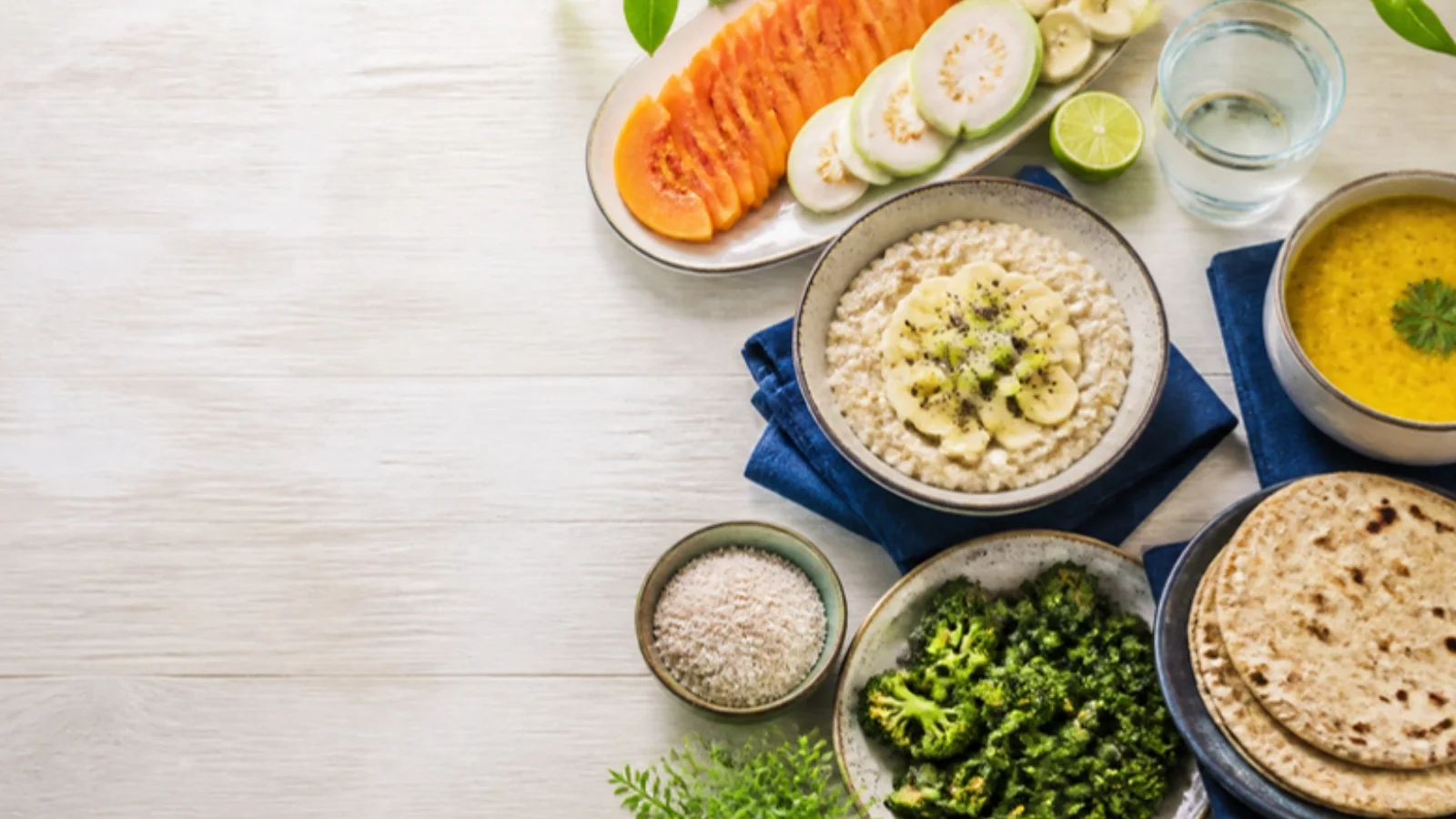
Aim for about 25 to 30 grams of fibre a day. Vegetables, fruit (papaya, guava, banana, apple with skin), whole wheat roti, oats, dal, beans and sprouts all help. Add fibre slowly over a week, or you may get gas and bloating.
2. Drink enough water
Fibre needs water to soften stool. Drink 8 to 10 glasses spread through the day, more in hot weather, unless your doctor has asked you to limit fluids.
3. Add psyllium husk (isabgol) if food is not enough
A teaspoon of isabgol in a glass of water at night is a common, gentle stool softener. Always drink it with plenty of water.
4. Do not strain, and do not sit long on the toilet
Spend no more than 5 minutes. Leave the phone outside. Straining is the single biggest trigger for piles.
5. Go when you feel the urge
Holding it back dries the stool and makes the next visit harder.
6. Try a warm sitz bath
Sit in a tub or basin of warm (not hot) water for 10 to 15 minutes, two or three times a day and after each bowel movement. It eases pain, itching and spasm.
7. Keep the area clean and dry
Rinse with plain water after passing stool, pat dry and avoid scented wipes, harsh soap and rubbing. Soft toilet paper or a clean cloth is best.
8. Stay active
A daily walk of 30 minutes keeps the bowels moving. Avoid sitting for hours without a break, and avoid heavy lifting with a held breath.
9. Watch your food triggers
Too much spicy, fried and refined-flour food, red meat, alcohol and tea or coffee on an empty stomach worsen constipation and burning in many people.
10. Manage weight and long-term constipation
Extra weight raises pressure on the veins around the anus, and constipation that has lasted months needs its own check-up.
What is the best medicine for piles?
There is no single best medicine for piles. The right choice depends on the grade, on whether your main problem is bleeding, pain, itching or constipation, and on whether anything else, such as pregnancy or another illness, is involved. These are the main options doctors use.
| Option | What it helps with | Things to know |
|---|---|---|
| Fibre and stool softeners (isabgol, lactulose) | Hard stools and straining, the root cause for most people | Slow and steady; the foundation of piles care; take with water |
| Creams, ointments and suppositories (such as zinc oxide, lignocaine) | Short-term relief of pain, itching and burning | Relief, not a cure; steroid-containing creams should not be used longer than about a week unless your doctor says so |
| Oral flavonoids (diosmin with hesperidin) | Bleeding and swelling in many people | Prescribed by a doctor; effect builds over weeks |
| Simple pain relief (such as paracetamol) | Pain during a flare-up | Avoid frequent use of strong painkillers that cause constipation |
| Sitz bath | Pain, spasm and itching | Free, safe and one of the most effective single measures |
Pharmacy products give relief, but if piles keep coming back, the underlying habits and constipation need to be fixed. Please do not use any cream or tablet for more than a week or two without seeing a doctor, and never keep treating bleeding without finding out what is causing it.
When medicines are not enough: procedures for piles
If piles are large, keep bleeding, or come out and stay out, a surgeon may suggest one of these:
- Rubber band ligation: a small band is placed at the base of an internal pile so it shrinks and falls off; done in the clinic for grades 1 to 3.
- Sclerotherapy or infrared coagulation: brief treatments to shrink small, bleeding piles.
- Laser and other minimally invasive procedures: options for selected cases.
- Haemorrhoidectomy: surgical removal, usually for grade 3 or 4 piles or when other treatment has failed.
Procedures remove the swollen tissue, but they do not by themselves fix constipation and straining. Without changes in diet and habits, piles can return.
Where homeopathy fits
At Welling Homeopathy Clinics, many people with grade 1 and 2 piles come to us hoping to settle bleeding, pain and itching without a procedure. Our doctors use homeopathy as individualised, supportive care alongside the fibre, water and toilet habits above. The medicines are chosen for the person, not just the piles, after a detailed history of bowel habits, symptoms and overall constitution.
That is the idea behind the Piles Treatment Kit: a doctor-guided course, personalised after a short phone call and delivered to your home. Reliable scientific evidence that homeopathy treats piles is limited, so it should not replace an examination, especially if you have bleeding. Results are not guaranteed and vary from person to person, and some piles, particularly grade 3 and 4, need a surgeon’s assessment. See the Piles Treatment Kit page, our guide to the 10 best homeopathic medicines for piles, or our page on homeopathy treatment of piles.
Not every bleed is piles: when to see a doctor
Blood in the stool is common with piles, but it can also come from a fissure, polyps, infection or, rarely, bowel cancer. Please get examined, rather than treating it yourself, if you notice any of these:
- Bleeding for the first time after the age of 40
- Heavy or continuous bleeding, or dizziness or weakness with bleeding
- Black, tarry stool or blood mixed through the stool
- A lasting change in bowel habits, or unexplained weight loss
- Severe pain with fever, swelling or pus around the anus
- A lump that stays out and cannot be pushed back, or that is very painful
- Symptoms that do not improve in 1 to 2 weeks of home care
A doctor can often confirm piles with a simple examination, and may suggest a scope test if there is any doubt.
Frequently asked questions about getting rid of piles
1. How do you get rid of piles fast?
To ease piles quickly, soak in a warm sitz bath two or three times a day, eat more fibre, drink plenty of water, avoid straining and use a soothing cream for a few days. Mild piles often improve within one to two weeks. Larger piles may need a procedure.
2. What is the best medicine for piles?
No single medicine is best for everyone. Fibre or isabgol and stool softeners treat the root cause, creams ease pain and itching for a few days, and doctors may prescribe oral flavonoids for bleeding. The right choice depends on the grade and your main symptom, so check with a doctor.
3. Can piles go away on their own?
Mild piles often settle in days to weeks once constipation and straining are corrected. They tend to come back if the habits that caused them continue. Piles that bleed repeatedly or bulge out should be examined.
4. Which cream is best for piles?
Creams with zinc oxide or lignocaine soothe pain and itching, and short courses of a mild steroid cream may be advised by a doctor. Creams give relief but do not cure piles, and steroid creams should not be used beyond about a week without medical advice.
5. How long do piles take to heal?
Mild piles often improve in one to two weeks with fibre, water and sitz baths. A painful clotted external pile can take two to four weeks to settle. Larger internal piles may persist until treated.
6. What foods help piles?
Fibre-rich foods help most: papaya, guava, banana, apple with skin, oats, whole wheat roti, dal, beans, sprouts and vegetables, along with plenty of water. A teaspoon of isabgol at night can add soluble fibre.
7. What foods should be avoided in piles?
Many people find that spicy and fried food, refined flour (maida), too much red meat, alcohol and strong tea or coffee on an empty stomach worsen constipation and burning. Notice your own triggers and cut back on them.
8. Is homeopathy good for piles?
Homeopathy is offered as individualised, supportive care for piles, alongside diet and toilet habits. Reliable scientific evidence for it is limited, results vary from person to person, and bleeding should always be examined by a doctor first.
9. Which homeopathic medicine is best for piles?
There is no single best homeopathic medicine for piles. A homeopath chooses medicines for the person after a detailed history of symptoms, bowel habits and constitution, so the choice differs from patient to patient. You can read about commonly used medicines in our guide, but please do not self-prescribe for bleeding.
10. When do piles need surgery?
Surgery or a procedure is usually considered for grade 3 or 4 piles, for piles that bleed repeatedly or cause anaemia, for a persistent painful clot, and when other measures have not helped. A surgeon will advise after an examination.
11. Is blood in the stool always piles?
No. Blood can also come from a fissure, polyps, infection or bowel cancer. Anyone with bleeding for the first time after 40, heavy bleeding, black stool or a lasting change in bowel habits should be examined.
12. How can I stop piles from coming back?
Keep stools soft with fibre and water, do not strain or sit long on the toilet, go when you feel the urge, stay active and manage your weight. Piles tends to return if treatment stops too early, so keep the habits going after symptoms settle.
13. What is the Welling Piles Treatment Kit?
It is a doctor-guided homeopathic kit developed at Welling Homeopathy Clinics for people with piles. After you order, a Welling doctor calls to understand your symptoms and history, personalises the medicines and ships them free across India. We recommend 3 to 6 months without breaks. Results are not guaranteed and vary from person to person.
Related Reading
- Piles Treatment Kit
- Homeopathy Treatment of Piles
- 10 Best Homeopathic Medicines for Treatment of Piles (Haemorrhoids)
- 5 Best Home Remedies For Piles Before You Start Any Treatment
- Homeopathy Remedies For External Piles
- 10 Best Homeopathic Medicines for Treatment of Anal Fissure
Ready to start? Order the Piles Treatment Kit
Fibre, water and good toilet habits are the foundation, and they work best with doctor-guided support. The Piles Treatment Kit from Welling Homeopathy Clinics is personalised for you after a short call with our doctor, and shipped free across India. Piles tends to return when treatment stops too early, so we recommend 3 to 6 months without breaks, alongside the habits in this article.
Order the Piles Treatment Kit →
Private and confidential. Results are not guaranteed and vary from person to person. All sales are final.
To order the Piles Treatment Kit or ask a question first, call +91 80 80 850 950 (Monday to Saturday, 10 am to 4 pm).
Disclaimer: this page is for information only and is not a substitute for professional medical advice, diagnosis or treatment. Results vary from person to person.