
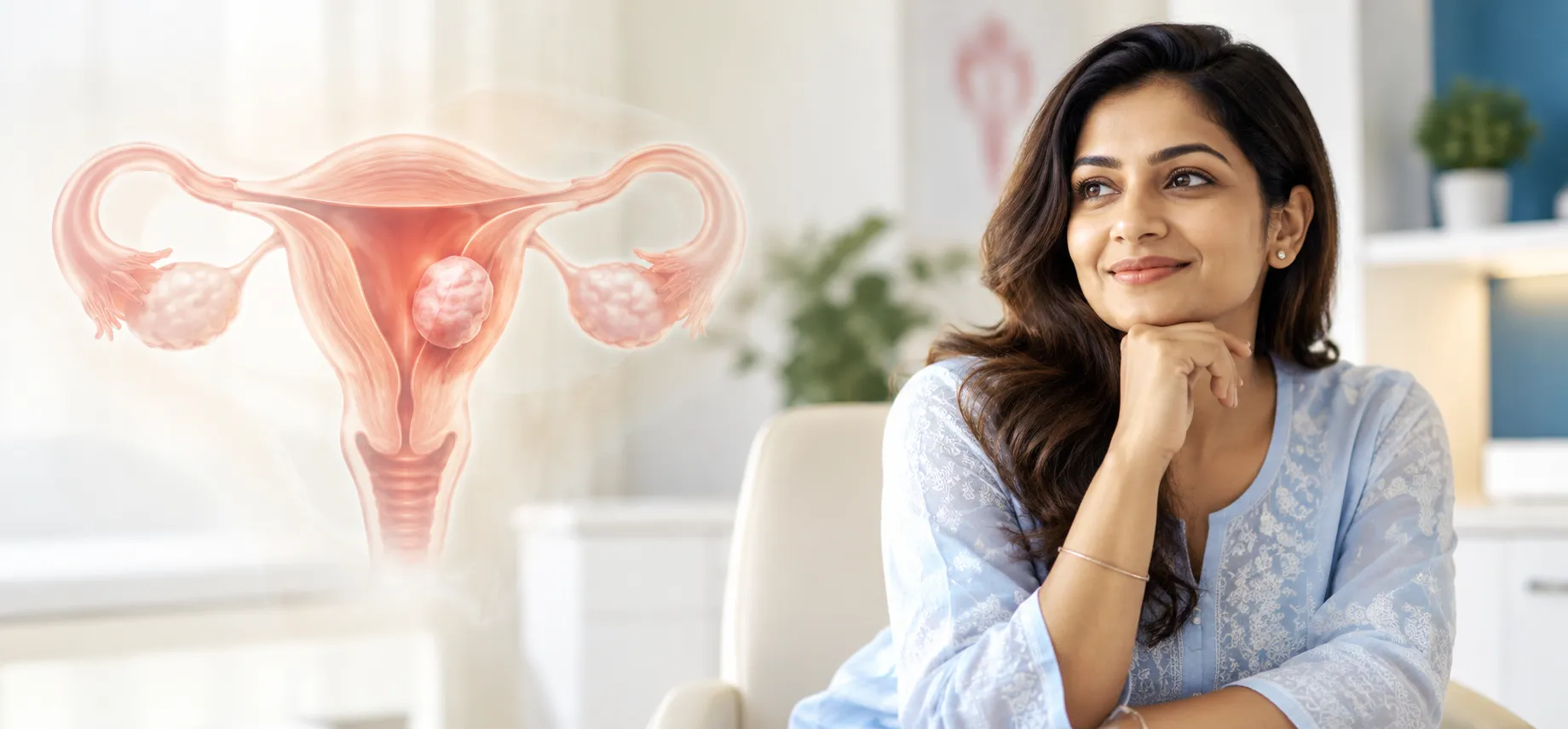
Irregular periods, acne, unwanted hair growth, weight gain and difficulty in conceiving are the signs that bring many women to ask about PCOS. Polycystic ovary syndrome is one of the commonest hormonal conditions in women of reproductive age, and its effects go beyond the ovaries. This guide explains the symptoms, causes and warning signs of PCOS, what helps, and the homeopathic medicines traditionally considered, along with how our specialists approach each person.
Wondering which of these medicines is right for you?
Every person with PCOS (polycystic ovary syndrome) is different, and so is the medicine that works best for them. To discover the best-suited homeopathic medicines for PCOS (polycystic ovary syndrome) for you, consult our experts. They will study your symptoms, your past treatment history and your personality, and then find the homeopathy medicines that suit you best.
Call +91 8080 850 950 for a 1:1 personal consultation with our experts today.
PCOS (Polycystic Ovary Syndrome): quick answers
- What is it? A hormonal condition with irregular ovulation, raised male hormones and often insulin resistance.
- Main symptoms: Irregular or absent periods, acne, excess facial and body hair, scalp hair thinning and weight gain.
- Why it matters: It can affect fertility and raises the long-term risk of diabetes, high cholesterol and heart disease.
- What helps most: Healthy weight, regular exercise, a balanced diet and good sleep.
- Our approach: Meet our specialists for your personal best homeopathic remedy and a plan that supports your recovery.
About PCOS (polycystic ovary syndrome)
In PCOS the ovaries may not release an egg regularly, and the body makes more male hormones (androgens) than usual. Many women also have insulin resistance, which makes it easier to gain weight and harder to lose it. The small follicles seen on an ultrasound are not true cysts, and some women with PCOS do not have them.
PCOS is a lifelong tendency but its symptoms can be improved. Lifestyle changes, supported by medical treatment when needed, can restore more regular cycles and reduce the long-term risks.
Common symptoms of PCOS (polycystic ovary syndrome)
Symptoms vary from person to person. Common ones include:
- Irregular, infrequent or absent periods
- Acne and oily skin
- Excess dark hair on the face, chest or abdomen
- Thinning hair on the scalp
- Weight gain, especially around the abdomen
- Dark, velvety patches of skin on the neck or armpits
- Difficulty in conceiving
- Mood changes, tiredness and poor sleep
Causes and risk factors of PCOS (polycystic ovary syndrome)
There is rarely a single cause. Factors that may contribute include:
- Insulin resistance
- Raised levels of male hormones
- A family history of PCOS or diabetes
- Excess weight, which worsens insulin resistance
- A sedentary lifestyle and a diet rich in refined carbohydrates
- Low-grade inflammation in the body
- Stress and poor sleep, which may aggravate symptoms
- Hormonal changes around puberty
Warning signs and when to get urgent help
Please go to the nearest hospital emergency department immediately if there is:
- Sudden, severe pelvic or abdominal pain, especially with fainting or vomiting
- Very heavy vaginal bleeding that soaks through pads quickly
- Signs of high blood sugar such as extreme thirst, passing urine very often or unexplained weight loss
- Thoughts of harming yourself, which can accompany low mood
- No periods for more than three months, or trying to conceive for a year without success (this needs medical assessment, not an emergency)
Homeopathic medicines for PCOS (polycystic ovary syndrome)
The medicines below are commonly considered in homeopathy for PCOS (polycystic ovary syndrome), with the symptom picture traditionally associated with each. They are listed for general information, not as a prescription.
(1) Pulsatilla: Delayed, scanty or irregular periods that change from one cycle to the next, in mild, weepy women who dislike heat and rich food.
(2) Sepia: Irregular periods with a dragging feeling in the pelvis, tiredness, irritability and indifference to family.
(3) Calcarea carbonica: Weight gain with heavy, early periods, chilliness, tiredness and sweating of the head.
(4) Natrum muriaticum: Irregular periods after grief or emotional hurt, with a reserved nature, craving for salt and acne.
(5) Lachesis: Irregular periods with hot flushes, a talkative nature and symptoms that are worse before periods and on the left side.
(6) Thuja occidentalis: A tendency to cysts and growths, with oily skin, hair growth and a sense of fixed ideas.
(7) Apis mellifica: Stinging, burning pain in the right ovary with a tendency to swelling and a dislike of heat.
(8) Colocynthis: Colicky pain in the left ovary that is relieved by bending double and by pressure.
(9) Lycopodium: Right-sided ovarian discomfort with bloating, irregular periods and a lack of confidence.
(10) Graphites: Delayed periods with weight gain, skin problems such as dry cracked skin and constipation, in chilly women.
Homeopathic treatment of PCOS (polycystic ovary syndrome) at Welling Homeopathy
These are only basic indications – many more homeopathic medicines are used for PCOS (polycystic ovary syndrome), and the right one is chosen after detailed case-taking by an experienced doctor.
Homeopathy is offered here as individualised, supportive care alongside your current treatment. Reliable scientific evidence that homeopathy treats PCOS is limited, so it should not replace a medical diagnosis or any treatment your doctor considers necessary, such as medicines for blood sugar or for regulating periods. Please do not stop, skip or change any prescribed medicine on your own; any change should be discussed with the doctor who prescribed it and with our specialists.
Meet our specialists to find your personal best homeopathic remedy and a care plan that supports your recovery. Please do not delay: the earlier you begin, the better. Read about our homeopathic care for PCOS (polycystic ovary syndrome), contact a Welling clinic or call +91 80 80 850 950 for a consultation in person or online.
Self-care and lifestyle tips
These measures support general health and may ease symptoms, but they do not replace treatment when it is needed.
- Aim for a healthy weight, as even a modest loss of 5 percent can restore more regular cycles.
- Exercise most days, combining walking or cycling with strength exercises.
- Choose whole grains, pulses, vegetables, fruit and protein, and cut sugary drinks and refined carbohydrates.
- Keep regular sleep hours and manage stress with yoga or breathing exercises.
- Do not smoke, and limit alcohol.
- Have your blood sugar, cholesterol and blood pressure checked regularly.
Frequently asked questions about PCOS (polycystic ovary syndrome)
1. What is the best homeopathic medicine for PCOS?
There is no single best medicine. Pulsatilla, Sepia, Calcarea carbonica and Natrum muriaticum are among those traditionally considered, but the right one depends on your symptoms, cycle and general health. Please consult our specialists rather than self-prescribing.
2. Can PCOS be cured?
PCOS is a long-term tendency, so we do not claim a cure. Its symptoms can be improved with lifestyle changes and, when needed, medical treatment, and homeopathy is offered as supportive care.
3. Can I get pregnant with PCOS?
Yes, many women with PCOS conceive, sometimes with some help. Regular cycles, healthy weight and treatment of insulin resistance improve the chances, and a fertility specialist can advise if it takes longer.
4. What should I eat with PCOS?
Whole grains, pulses, vegetables, fruit, nuts and adequate protein are helpful, while sugary drinks, sweets, refined flour and fried food are best limited.
5. What is the difference between PCOS and PCOD?
The terms are often used interchangeably in India. PCOS refers to the syndrome with hormonal and metabolic features, and PCOD to the finding of polycystic ovaries. A doctor can explain which applies to you.
6. Does PCOS cause hair fall and acne?
Yes, because of raised male hormones, which can cause acne and hair growth on the face and body, and thinning of scalp hair.
7. How do I book a consultation?
Call +91 80 80 850 950 to book a 1:1 consultation at a Welling clinic or online.
Related Reading
- Homeopathy Treatment of PCOS
- Homeopathy Treatment for PCOS
- What is the Difference Between PCOS and PCOD?
- How To Get Pregnant With PCOS Naturally?
More guides on women’s health
- 10 Best Homeopathic Medicines for Treatment of Uterine Fibroids
- 10 Best Homeopathic Medicines for Treatment of Endometriosis
- 10 Best Homeopathic Medicines for Menopause Symptoms
To consult Welling Homeopathy experts, call +91 80 80 850 950.
Disclaimer: this page is for information only and is not a substitute for professional medical advice, diagnosis or treatment. Results vary from person to person.
