

Neuropathic pain stands out from various other types of pain. If an individual breaks a bone, discomfort signals are sent via nerves from the site of the trauma to the mind. With neuropathic discomfort, nevertheless, discomfort signals come from the nerves themselves. That is the reason they are more painful.
Looking for support with chronic back pain?
Share your symptoms and reports, and our specialists will plan your personal homeopathic treatment, in person at our Mumbai clinics or online from anywhere. Your first consultation and assessment is free.
Welling Clinics offers speciality Homeopathy treatment for back pain that is proven to help with pain relief and long-lasting recovery. Meet our specialist today for a detailed assessment or consult them online.
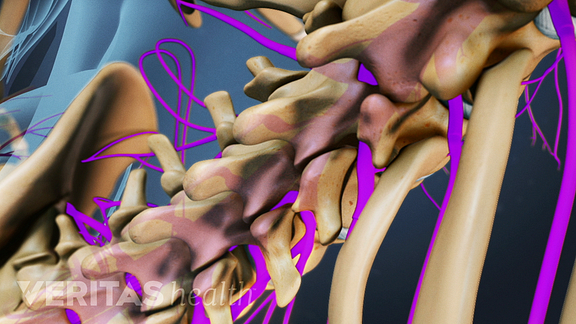 Neuropathic pain often occurs as a result of nerve damage or dysfunction.
How Neuropathic Pain Develops
In many cases, the nerves become damaged or dysfunctional after responding to an injury or trauma, causing hypersensitivity to pain. The nerves then send faulty signals of pain even when the injury has healed. The initial injury can occur in either the peripheral or central nervous system.
Neuropathic pain, or neuropathy, is a chronic condition, meaning it does not go away. Instead, the pain becomes the disease process. The terms sensory peripheral neuropathy and peripheral neuritis are sometimes used to describe neuropathy affecting the peripheral nerves.
An estimated 7 to 10% of people have neuropathic pain.1 This article examines neuropathy and chronic back pain, and how the two conditions are related.
When Back Pain Causes Neuropathy
Neuropathy can result from any type of pain that compresses or impinges on a nerve. A herniated disc, for example, could press against a nearby nerve, causing pain. Neuropathic pain originating from the back or spine may include:
- Chronic pain radiating down the leg (lumbar radiculopathy, or sciatica)
- Chronic pain radiating down the arm (cervical radiculopathy)
- Pain following back surgery that starts gradually and persists, commonly called failed back surgery syndrome
Diabetes and regional pain syndrome (RPS), are common causes of neuropathy. Additional causes of include injury, disease, infection, exposure to toxins, and substance abuse. It is not always possible to pinpoint the cause.
Why Early Treatment is Crucial
Early treatment is important, since more aggressive treatment may be needed if symptoms are not addressed soon.
Over time, exposure to significant pain can cause changes to the central nervous system that make the body become more sensitive to even slight touch—a phenomenon known as central sensitization.
As with other types of chronic pain, delays in treatment may also make other health problems more likely. Depression, anxiety, difficulty sleeping, and an inability to work and take part in other activities are some health issues associated with untreated neuropathy.
Neuropathic pain symptoms are often unpredictable, and vary significantly from person to person. Pain may be triggered by a specific stimulus, or occur on its own. In the case of a sudden impact, the area surrounding the site of the trauma may be affected in addition to the immediate area.
Neuropathy May Limit Daily Functioning
Neuropathic pain often makes movement painful, leading an individual to limit mobility. Being sedentary can cause muscles to weaken, further restricting physical functioning. Many people with neuropathy are unable to work.
Back pain or other pain caused by neuropathy is typically described in the following terms:
- Severe, sharp, electric shock-like, shooting, lightning-like, or stabbing
- Deep, burning, or cold
- Persistent numbness, tingling, or weakness
- Pain that travels along the nerve path into the arms, hands, legs, or feet
Skin in the painful area may be discolored, appearing more pink or red than usual. In some cases, the skin may have a blue or mottled appearance. Changes in color are usually related to changes in blood flow. Some individuals also experience swelling.
Many people with neuropathic pain also experience sleep difficulties and depression, both of which can increase the perception of pain. A multifaceted pain management approach may be beneficial to address all aspects of the person’s health.
References:
- Van hecke O, Austin SK, Khan RA, Smith BH, Torrance N. Neuropathic pain in the general population: a systematic review of epidemiological studies. Pain. 2014;155(4):654-62.
Originally Appeared: http://www.spine-health.com/conditions/chronic-pain/all-about-neuropathy-and-chronic-back-pain
Photo by sandiegopersonalinjuryattorney 
Chronic back pain treatment in Mumbai at Welling Homeopathy
If you are looking for chronic back pain treatment in Mumbai, you can consult Dr. Sourabh Welling, M.D., and the senior specialists of Welling Homeopathy at our Mumbai clinics, or consult online from anywhere in India and abroad. Our doctors begin with a detailed case-taking so that your treatment is custom-made for you. See the Contact page for current clinic addresses and hours, or call +91 8080 850 950.
Related back and spine articles
- Treatment of Lumbar Spondylosis
- Homeopathy Treatment of Cervical Spondylosis
- Homeopathy Treatment of Slipped Disc
- Homeopathy Treatment of Sciatica
- Back pain: YOU could be suffering from THESE diseases.
- Is Your Leg Pain Really Sciatica — or Something Else?
- Homeopathy Treatment of Ankylosing Spondylitis
- Is Cervical Spondylosis Serious?
- 10 Best Homeopathic Medicines for Treatment of Low Back Pain
- 10 Best Homeopathic Medicines for Treatment of Lumbar Spondylosis
- 10 Best Homeopathic Medicines for Treatment of Slipped Disc (Disc Prolapse)
- Top 5 Home Remedies for Back Pain
- Homeopathy Treatment for Spinal Stenosis
- Homeopathy Treatment for Spondylolisthesis
- Homeopathy Treatment for Sacroiliac (SI) Joint Pain
- Homeopathy Treatment for Coccydynia (Tailbone Pain)
- Homeopathy Treatment for Scoliosis
Frequently asked questions about chronic back pain
1. What counts as chronic back pain?
Back pain that lasts longer than about three months is considered chronic. It may be steady or come and go, and can come from the muscles, discs, joints or nerves, and is often affected by stress, sleep and activity levels.
2. When should chronic back pain be investigated further?
See a doctor promptly if back pain comes with weight loss, fever, night pain that wakes you, a history of cancer, numbness or weakness in the legs, or loss of bladder or bowel control. Otherwise, a proper examination and, if needed, imaging helps find the cause.
3. Does rest help chronic back pain?
Prolonged bed rest usually makes back pain worse. Staying gently active, walking and doing guided strengthening and stretching exercises generally help more than rest.
4. Can stress and sleep affect chronic back pain?
Yes. Stress, poor sleep and low mood can amplify pain and muscle tension. Good sleep, relaxation, regular movement and addressing mood and worry are all part of managing chronic pain.
5. How can Welling Homeopathy help with chronic back pain?
Our specialists take a detailed history, including the nature of your pain, your scans and your lifestyle, and offer individualised homeopathic care to help manage pain and function. It is offered alongside physiotherapy and medical advice, not instead of them.
