
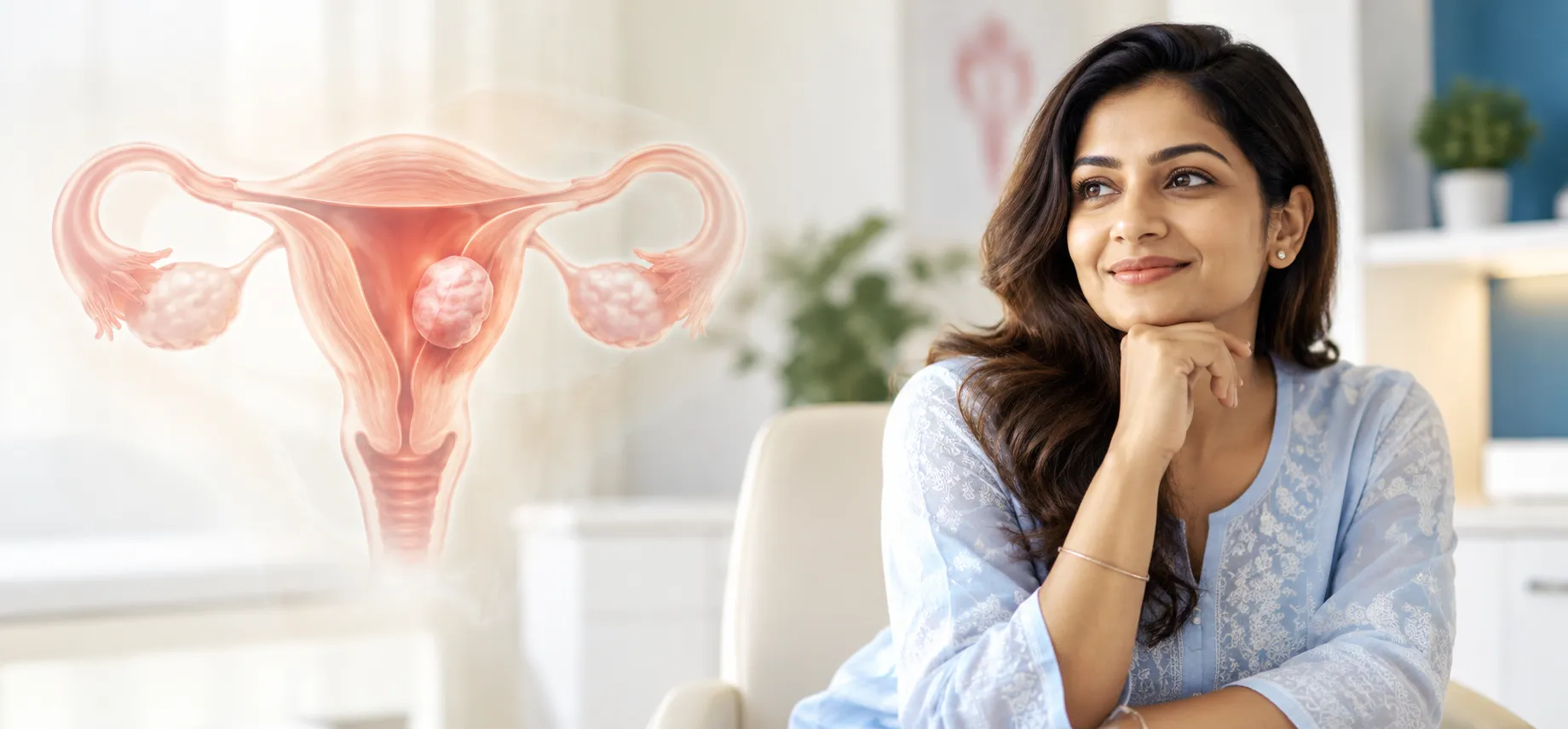
Women coming to Welling Clinics are often confused about Polycystic ovarian syndrome (PCOS) and Polycystic ovarian disease (PCOD). At Welling Clinics, we specialise in the treatment in PCOS and this is the treatment that can help you recover completely from PCOS and prevent its other symptoms including infertility.
Looking for support with PCOS and PCOD?
Share your symptoms and reports, and our specialists will plan your personal homeopathic treatment, in person at our Mumbai clinics or online from anywhere. Your first consultation and assessment is free.
 PCOS is an endocrine system disorder while PCOD is a condition developed by the hormonal imbalance. The exact cause of both is unknown but hormonal imbalances and genetics play a pivotal role.
In layman terms, in girls with PCOS, the ovaries produce higher levels of androgen than normal, and this interferes with egg development and release. Some of the eggs develop into cysts, which are little sacs filled with liquid. Instead of releasing during ovulation, these cysts build up in the ovaries and may even get enlarged.
In PCOD, hormonal imbalance leads to ‘collection’ of mature eggs in the ovaries, as they cannot be discharged. These also become cysts and some of the cysts lead to more cysts and this cycle goes on. Insulin diet, hormonal disturbances or stress lead to PCOD.
According to WHO, PCOS affects 116 million women worldwide. PCOS affects approximately 10 per cent women in the reproductive age group.
PCOD and PCOS, which are associated with faulty ovaries include symptoms like irregular periods common to both, with PCOS leading to thinning of hair and development of male hair pattern in PCOD. Both are caused by hormonal imbalance; and contribute to infertility. But PCOD is not as serious as PCOS, which is more severe form of this syndrome.
A healthy and holistic diet along with regular exercise is recommended for all women with PCOS. This lifestyle change will help regulate the menstrual cycle and lower your blood glucose levels. Losing weight will help in coping with PCOS. The important thing is to diagnose PCOS early or to catch the disease at a young age so that prompt lifestyle modifications, exercise and medicines can spare you from long term health consequences of PCOS.
Moderate exercise has been shown to improve the regularity of menstrual cycles and reduce androgens that contribute to excess hair growth. It is important to inculcate the habit of walking as well as cut back on stress; try yoga or meditation. Maintain a balanced diet and avoid processed and packaged food.
Get evaluated for PCOS if:
You have an irregular menstrual cycle or prolonged cycles (beyond 35 days or so)
Increased hair growth on face, chest, stomach, back, thumbs, or toes
Your skin is breaking out or you get acne, oily skin, or dandruff
You have gained extra weight around your tummy
Darkening of skin around your neck
Originally published at http://www.dnaindia.com/health/column-difference-between-pcos-and-pcod-explained-2383095
The specially formulated Homeopathy treatment for PCOS can help you recover completely from PCOS.
You might also like
Things you don’t know about PCOS?
Is Homeopathy Really Effective for PCOS?
PCOS and PCOD treatment in Mumbai at Welling Homeopathy
If you are looking for PCOS and PCOD treatment in Mumbai, you can consult Dr. Sourabh Welling, M.D., and the senior specialists of Welling Homeopathy at our Mumbai clinics, or consult online from anywhere in India and abroad. Our doctors begin with a detailed case-taking so that your treatment is custom-made for you. See the Contact page for current clinic addresses and hours, or call +91 8080 850 950.
Related women’s health articles
- Homeopathy Treatment of PCOS (Polycystic Ovary Syndrome)
- Best Homeopathy Treatment of Endometriosis
- Homeopathy Treatment of Fibroids
- Treatment of Uterine Fibroids
- Treatment For Adenomyosis
- Homeopathy Treatment of Dysmenorrhea (Painful Periods)
- Homeopathy Treatment of Amenorrhea (Missed Periods)
- Homeopathy Treatment For Leucorrhea
- Treatment Of Candidiasis
- Easy Ways To Deal With Menopause Symptoms
- Homeopathy Treatment of Fibroadenoma or Breast Lump
- Complete Guide to Understanding Treatment of Breast Lumps
- Thyroid Effects On Women
- Women’s Health
- Endometriosis and PCOS: What is the Exact Difference?
- 7 Warning Signs That You Have Fibroids
- Why Pelvic Inflammatory Disease Is A Growing Concern in Women?
- 10 Ways to Cure Painful Sex: Guide for Women Over 40
Frequently asked questions about PCOS and PCOD
1. Is there a real difference between PCOS and PCOD?
The terms are often used interchangeably. Medically, PCOS (polycystic ovary syndrome) is the metabolic and hormonal condition diagnosed by irregular or absent ovulation, signs of high androgens and polycystic-looking ovaries on ultrasound. PCOD is the older, more informal term often used for polycystic-looking ovaries with milder features. A doctor decides the diagnosis from your history, examination and tests.
2. Which tests diagnose PCOS?
Pelvic ultrasound, hormone tests (LH, FSH, testosterone, prolactin, TSH), blood sugar and insulin, and a lipid profile. Other causes of irregular periods must be excluded.
3. Can PCOS cause long-term problems?
Yes, if untreated it can raise the risk of type 2 diabetes, high cholesterol, fatty liver, high blood pressure, sleep apnoea, endometrial overgrowth and fertility problems. Regular follow-up matters.
4. What lifestyle steps help PCOS?
Regular exercise, a balanced low-glycaemic diet, even a modest weight loss if overweight, good sleep and stress management often improve periods and symptoms.
5. Can homeopathy help with PCOS or PCOD?
Homeopathy is offered as individualised, supportive care to help manage periods, weight, skin and hormonal symptoms, alongside any medicines your gynaecologist advises. See our full page on PCOS treatment.
