
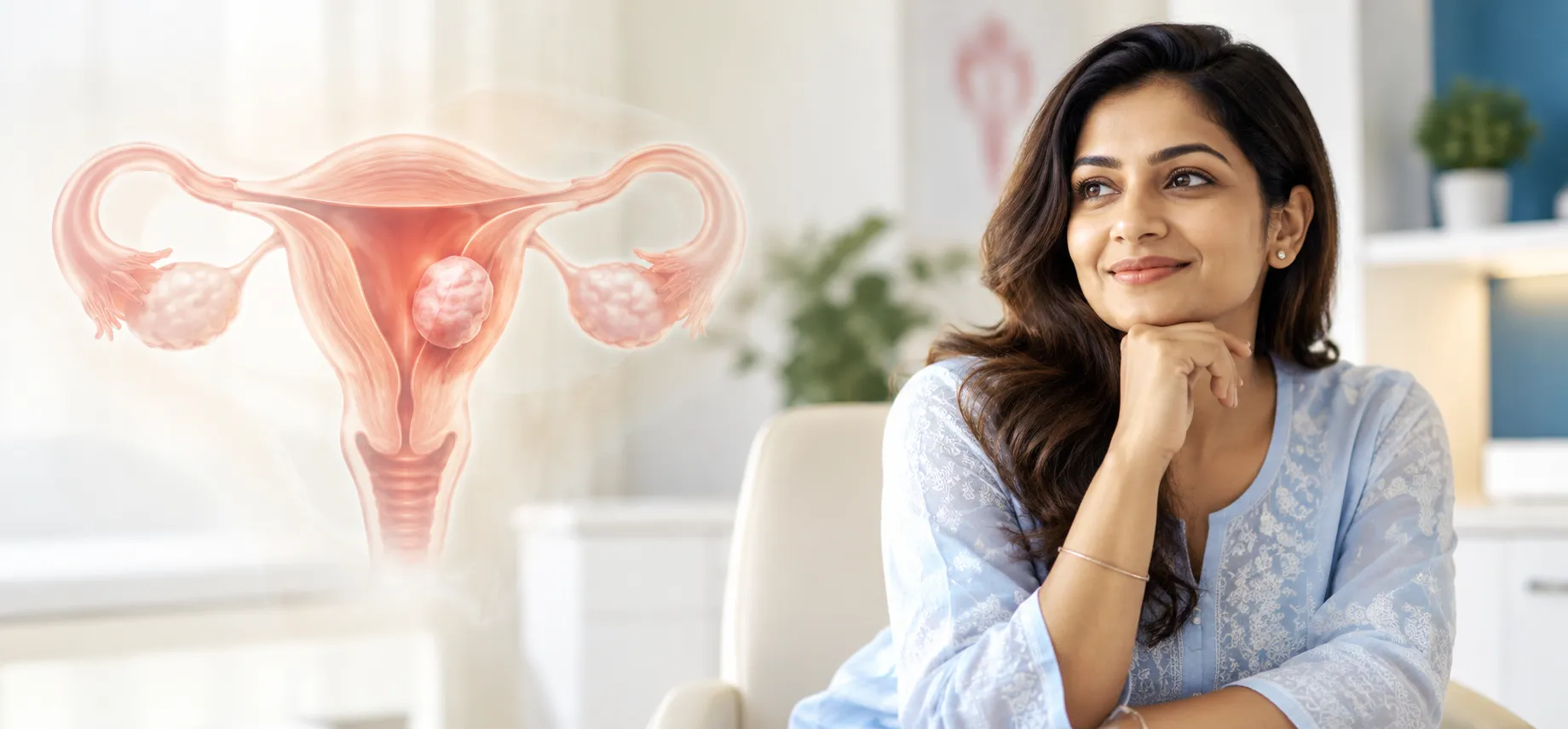
Cramps that double you over, pain that spreads to the back and thighs and days missed from school or work are what many women live with every month. Some period pain is common, but pain that disrupts your life is not something you must simply put up with. This guide explains the symptoms, causes and warning signs of painful periods, what helps, and the homeopathic medicines traditionally considered, along with how our specialists approach each person.
Wondering which of these medicines is right for you?
Every person with painful periods (dysmenorrhoea) is different, and so is the medicine that works best for them. To discover the best-suited homeopathic medicines for painful periods (dysmenorrhoea) for you, consult our experts. They will study your symptoms, your past treatment history and your personality, and then find the homeopathy medicines that suit you best.
Call +91 8080 850 950 for a 1:1 personal consultation with our experts today.
Painful Periods (Dysmenorrhoea): quick answers
- What is it? Pain in the lower abdomen before or during periods, called dysmenorrhoea.
- Two types: Primary, with no underlying disease, and secondary, caused by a condition such as endometriosis or fibroids.
- Main symptoms: Cramping in the lower abdomen, back and thigh pain, nausea, headache and loose stools.
- See a doctor for: Severe pain, pain that is getting worse, or pain with heavy bleeding or fever.
- Our approach: Meet our specialists for your personal best homeopathic remedy and a plan that supports your recovery.
About painful periods (dysmenorrhoea)
During a period the uterus contracts to shed its lining, and chemicals called prostaglandins make these contractions stronger and more painful. In primary dysmenorrhoea, which usually starts within a year or two of the first period, the pain is caused by these contractions alone and often eases with age or after childbirth.
Secondary dysmenorrhoea starts later in life, tends to get worse over time and is caused by a condition such as endometriosis, adenomyosis, fibroids or pelvic infection. Pain of this kind should be investigated, and treating the cause matters as much as easing the pain.
Common symptoms of painful periods (dysmenorrhoea)
Symptoms vary from person to person. Common ones include:
- Cramping or throbbing pain in the lower abdomen
- Pain that spreads to the lower back and thighs
- Nausea, vomiting or loose stools
- Headache and dizziness
- Tiredness, bloating and breast tenderness
- Pain that begins a day or two before the period and lasts two to three days
- Heavy bleeding with clots in some women
- Pain during intercourse or between periods in secondary dysmenorrhoea
Causes and risk factors of painful periods (dysmenorrhoea)
There is rarely a single cause. Factors that may contribute include:
- Strong uterine contractions from prostaglandins
- Endometriosis
- Adenomyosis
- Uterine fibroids
- Pelvic inflammatory disease
- An intrauterine contraceptive device
- A family history of painful periods
- Stress, smoking and starting periods at a young age
Warning signs and when to get urgent help
Please go to the nearest hospital emergency department immediately if there is:
- Sudden, severe pelvic pain with fainting, vomiting or fever
- Very heavy bleeding that soaks through a pad every hour
- Pain with fever and a foul-smelling discharge
- Severe pain when you may be pregnant
- Pain that is not controlled by usual measures, or that is getting steadily worse over the months (see a doctor soon)
Homeopathic medicines for painful periods (dysmenorrhoea)
The medicines below are commonly considered in homeopathy for painful periods (dysmenorrhoea), with the symptom picture traditionally associated with each. They are listed for general information, not as a prescription.
(1) Magnesia phosphorica: Cramping, shooting pain that is relieved by warmth, pressure and bending double and worse from cold.
(2) Colocynthis: Violent, cutting, colicky pain that is relieved by bending double and by hard pressure, often after anger.
(3) Chamomilla: Intense pain with irritability and a feeling that the pains are unbearable, with a dislike of being touched.
(4) Pulsatilla: Cramps with scanty, changeable periods, in mild and weepy women who dislike heat and want company.
(5) Cimicifuga racemosa: Pain that flies from side to side across the pelvis, with a bruised feeling and nervous irritability.
(6) Belladonna: Sudden, throbbing, bearing-down pain with bright-red, hot blood, a flushed face and sensitivity to jarring.
(7) Caulophyllum: Spasmodic, cramping pains with a scanty flow and a tendency to weakness of the uterus.
(8) Xanthoxylum: Pain in the left ovary that shoots down the thigh, with a tendency to numbness and scanty periods.
(9) Sepia: A dragging, bearing-down feeling in the pelvis with irritability, tiredness and indifference.
(10) Viburnum opulus: Cramping pains in the pelvis before the period, with a feeling of backache and a tendency to early periods.
Homeopathic treatment of painful periods (dysmenorrhoea) at Welling Homeopathy
These are only basic indications – many more homeopathic medicines are used for painful periods (dysmenorrhoea), and the right one is chosen after detailed case-taking by an experienced doctor.
Homeopathy is offered here as individualised, supportive care alongside your current treatment. Reliable scientific evidence that homeopathy treats painful periods (dysmenorrhoea) is limited, so it should not replace a medical diagnosis or any treatment your doctor considers necessary. Please do not stop, skip or change any prescribed medicine on your own; any change should be discussed with the doctor who prescribed it and with our specialists.
Meet our specialists to find your personal best homeopathic remedy and a care plan that supports your recovery. Please do not delay: the earlier you begin, the better. Read about our homeopathic care for painful periods (dysmenorrhoea), contact a Welling clinic or call +91 80 80 850 950 for a consultation in person or online.
Self-care and lifestyle tips
These measures support general health and may ease symptoms, but they do not replace treatment when it is needed.
- Apply a warm water bottle or heating pad to the lower abdomen.
- Try gentle exercise such as walking and yoga stretches, which can reduce cramps.
- Drink warm fluids, and limit caffeine, salty snacks and fizzy drinks before your period.
- Eat regular, light, iron- and magnesium-rich food such as leafy vegetables, nuts and seeds.
- Get enough sleep, and manage stress with breathing exercises.
- Keep a diary of your pain to help your doctor decide whether further tests are needed.
Frequently asked questions about painful periods (dysmenorrhoea)
1. What is the best homeopathic medicine for painful periods?
There is no single best medicine. Magnesia phosphorica, Colocynthis, Chamomilla and Pulsatilla are among those traditionally considered, but the right one depends on the kind of pain, what eases it and your general health. Please consult our specialists rather than self-prescribing.
2. Can homeopathy relieve period pain?
Homeopathy is offered as supportive care and results vary. Reliable evidence is limited, so painful periods that are severe or getting worse should still be assessed for an underlying cause.
3. Is period pain normal?
Mild to moderate cramps are common, but pain that stops you from doing your normal activities is not something you have to accept and should be assessed.
4. When is painful periods a sign of endometriosis?
Pain that starts later, steadily gets worse, comes with pain during intercourse, heavy bleeding or difficulty conceiving can point to endometriosis and should be examined by a gynaecologist.
5. Can painful periods affect fertility?
Painful periods from endometriosis or fibroids can be linked to difficulty in conceiving, while primary period pain does not affect fertility.
6. Do painkillers help?
Anti-inflammatory painkillers taken at the start of the period help many women, but take them only as advised by your doctor, and with food.
7. How do I book a consultation?
Call +91 80 80 850 950 to book a 1:1 consultation at a Welling clinic or online.
Related Reading
More guides on women’s health
- 10 Best Homeopathic Medicines for Treatment of Irregular Periods
- 10 Best Homeopathic Medicines for Treatment of Ovarian Cysts
- 10 Best Homeopathic Medicines for Treatment of PCOS (Polycystic Ovary Syndrome)
- 10 Best Homeopathic Medicines for Treatment of Uterine Fibroids
- 10 Best Homeopathic Medicines for Treatment of Endometriosis
To consult Welling Homeopathy experts, call +91 80 80 850 950.
Disclaimer: this page is for information only and is not a substitute for professional medical advice, diagnosis or treatment. Results vary from person to person.
